
What is Meditation?

the power of meditation for life

Meditation is more than a trend, it’s a timeless practice that can transform your mind and life. If you’ve ever asked yourself “what is meditation” and wondered how to start, you’re in the right place. This guide will help you explore the basics, benefits, and different meditation styles so you can begin your own journey toward calm, focus, and inner peace.

Understanding Meditation

Meditation is often described as a practice of training the mind to become more aware, calm, and focused. While it has roots in ancient spiritual traditions, it is now widely practiced simply for mental clarity, emotional balance, and overall well-being.

At its essence, meditation is about bringing your attention to the present moment. Instead of letting your mind wander through worries or distractions, meditation gently guides your awareness to a single point of focus, like your breath, a mantra, or bodily sensations.

Even just a few minutes a day can gradually create meaningful changes, helping you respond to life with more calm, clarity, and positivity.

Benefits of Meditation

Meditation can have a profound impact on your mental, emotional, and physical well-being. Here are the main benefits:

  1. Reduces stress and anxiety: Meditation has been shown to be an effective way to reduce stress and anxiety. By focusing on the present moment and letting go of worries and distractions, meditating helps to calm the mind and body.
  2. Improves focus and concentration: Meditation can also improve focus and concentration by training the mind to remain focused on a single point of attention. This can help in various aspects of life, such as work, school, or daily activities.
  3. Enhances emotional well-being: Meditation can improve emotional well-being by promoting positive emotions and reducing negative ones. It can also help individuals become more self-aware and improve their relationships with others.
  4. Promotes better sleep: Meditation has been shown to promote better sleep by reducing stress and promoting relaxation. This can be especially helpful for individuals who have trouble falling or staying asleep (like me)

Types of Meditation

Mindfulness

Mindfulness meditation centers on staying fully present without judgment or distraction. You can achieve this by focusing on your breath, repeating a mantra, or tuning into a specific bodily sensation.

I started with this simple approach: directing my attention to everyday activities like eating, showering, or brushing your teeth, immersing yourself completely in each moment.

Naturally, thoughts will arise; simply acknowledge them and gently bring your focus back to the task at hand.

Transcendental

Transcendental meditation is a powerful practice that involves the repetition of a mantra or specific sound to help the individual transcend their ordinary state of consciousness.

This technique allows the mind to settle into a state of deep relaxation, inner stillness, and heightened awareness beyond thought and distractions.

Unlike guided meditations or mindfulness practices that focus on observation, transcendental meditation naturally leads the practitioner to an effortless, deeply restful state, where stress and mental noise dissolve.

Loving-Kindness

Loving-kindness meditation focuses on cultivating love, kindness, and compassion toward oneself and others.

This practice can be done by repeating certain phrases or visualizing positive experiences that generate feelings of warmth and connection.

Additionally, thinking about a pleasant place or a meaningful experience, and staying connected to that emotion, helps maintain a higher vibrational state, fostering inner peace and emotional well-being.

You repeat phrases like:

  • May I be happy
  • May I be healthy
  • May I live with peace

Extending these wishes to others can enhance empathy, emotional healing, and connection.

Yoga

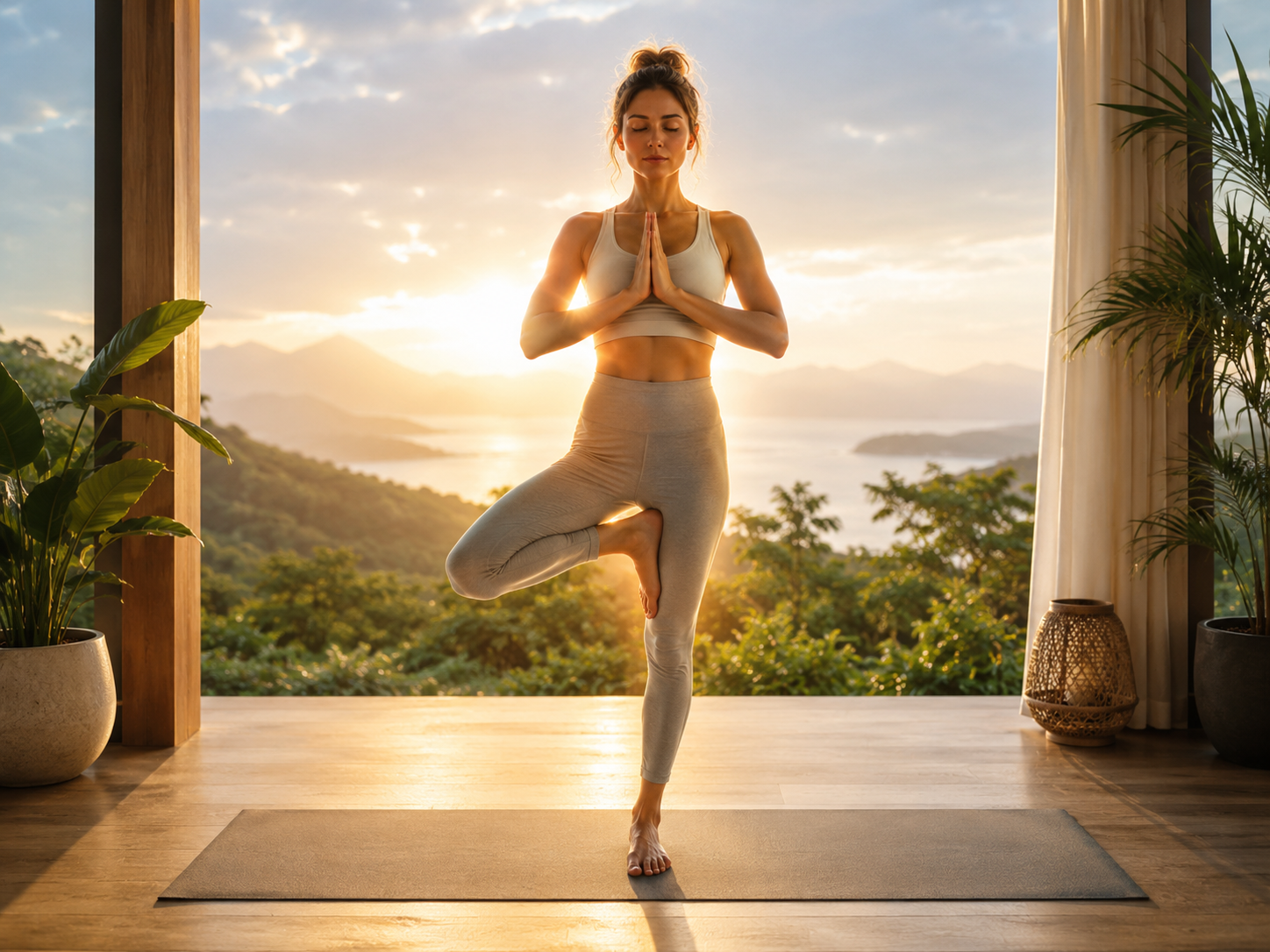
Yoga meditation combines specific yoga postures, breathing techniques, and meditation to enhance physical and mental well-being.

Some believe it is simply a part of Yoga, while others suggest it predates traditional yoga practices. Regardless, I find it incredibly beneficial for my body, as it enhances energy flow and promotes a deep sense of balance and relaxation when practiced regularly.

Beyond flexibility and strength, yoga meditation helps cultivate mindfulness, allowing practitioners to connect deeply with their inner selves.

It also supports stress reduction, improves emotional resilience, and creates a profound sense of harmony between mind, body, and spirit.

Body Scan

Body scan meditation is a mindfulness practice that involves directing awareness to each part of the body, one at a time, while observing any sensations, tension, or feelings without judgment. By systematically scanning from head to toe, this technique helps individuals relax, release stress, and improve body awareness.

Regular practice promotes a stronger mind-body connection, enhances self-awareness, and fosters deep relaxation, leading to greater emotional balance and inner peace.

How to Meditate

Meditation might seem intimidating at first, but starting doesn’t have to be complicated. Even a few minutes each day can make a big difference. The key is to keep it simple, consistent, and gentle with yourself.

Benefits of Meditation

Here’s an easy step-by-step guide to help beginners start their meditation journey with confidence.

  • Choose a quiet and comfortable place: Find a quiet and comfortable place where you can sit without distraction for the duration of your session.
  • Sit with good posture: Sit with your back straight and your shoulders relaxed. You can sit on the floor with a cushion or in a chair with your feet flat on the ground.
  • Focus on your breath: Choose a point of focus, such as your breath, and keep your attention there. If your mind wanders, gently bring it back to your point of focus. (This is the most important step).
  • Use a mantra or visualization: If you prefer, you can use a mantra or visualization to help focus your mind. Repeat a word or phrase that is meaningful to you, or visualize a peaceful image or experience.
  • Stay present and non-judgmental: Throughout your meditation session, try to remain present and non-judgmental of any thoughts or feelings that arise. Simply observe them and let them go without attachment.

Conclusion

Meditation is not about perfection, there is no “right” or “wrong” way to practice. Even a few minutes a day can create meaningful changes in your mental clarity, emotional balance, and overall well-being.

By dedicating time to meditate, you are investing in yourself: calming your mind, reducing stress, improving focus, and cultivating a deeper connection with your thoughts and emotions. Over time, these small moments of stillness add up, helping you navigate life with more clarity, patience, and inner peace.

Remember, meditation is a journey, not a destination. Some days will feel easier than others, and that’s okay. The most important thing is to show up consistently and with an open heart. The benefits will unfold naturally, guiding you toward a calmer, more centered, and fulfilling life.