


Healing with frequencies has been used as a tool for balance and well-being long before modern science could measure its effects. From ancient chants and rhythmic drumming to modern sound baths and frequency-based audio, humans have intuitively understood that vibration influences how we feel.
Today, therapeutic sound is gaining renewed attention as people seek natural, accessible ways to calm the mind, regulate emotions, and reconnect with their inner state.
This article explores how sound and frequency are used as supportive tools for well-being, and why they continue to resonate across cultures and generations.
Healing with frequencies is a holistic practice that uses sound waves and vibrations at specific tones to support physical, emotional, and mental well-being.
This approach is based on the understanding that everything in the universe, including the human body, vibrates at specific frequencies. By exposing the body to harmonious vibrations, practitioners believe it is possible to restore balance, improve energy flow, and enhance overall wellness.
This concept has roots in ancient traditions and is increasingly explored in modern therapeutic practices.
Therapeutic sound is the intentional use of specific tones and frequency patterns to promote healing and relaxation. Unlike listening to music for entertainment, therapeutic sound is designed to influence physical, emotional, and mental states.
Common tools include:
These instruments create vibrations that interact with the body’s tissues and nervous system, producing effects that may enhance well-being.

Sound is vibration, and frequency; measured in Hertz (Hz), describes the number of vibrations per second. When sound waves enter the body, they can interact with tissues, fluids, and neural systems.
Some effects include:
The brain synchronizes its waves with sound patterns, influencing alertness, relaxation, and sleep.
Sound can stimulate the parasympathetic system, reducing stress hormone levels.
Emerging research suggests sound may support cellular communication, circulation, and tissue repair.
It is important to distinguish between scientifically measurable effects and the symbolic or metaphysical interpretations often used in holistic practices.
Repetitive sound patterns can influence brainwave frequencies:
Vibrations can reduce cortisol levels and activate the parasympathetic nervous system, promoting relaxation and emotional balance.
Some studies suggest sound vibrations may influence circulation, reduce muscle tension, and support pain management.
Certain frequencies are popular in sound healing traditions:
Note: Scientific evidence for specific frequencies’ effects is still emerging, but many practitioners report subjective benefits.
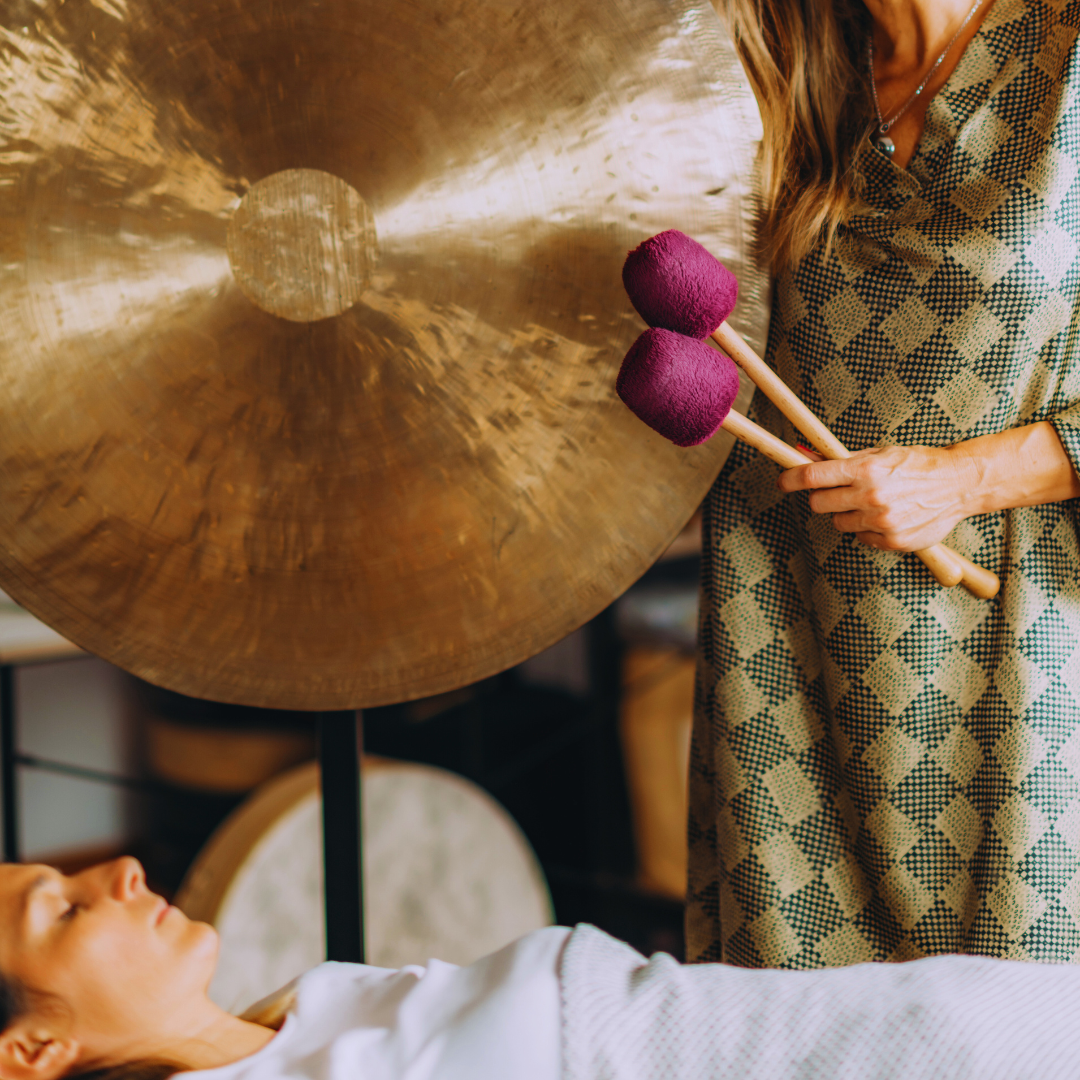
Therapeutic sound offers a wide range of benefits:
Stress and anxiety reduction – Supports nervous system balance and relaxation.
Improved sleep – Encourages brainwave patterns conducive to rest.
Emotional clarity – Helps release tension and emotional blockages.
Pain relief – Certain frequencies may reduce pain perception and inflammation.
Cognitive and mood support – Enhances focus, clarity, and emotional resilience.
Sound healing uses different tools that work with vibration in subtle but meaningful ways. Each technique offers a unique experience, depending on the type of sound, intensity, and intention.
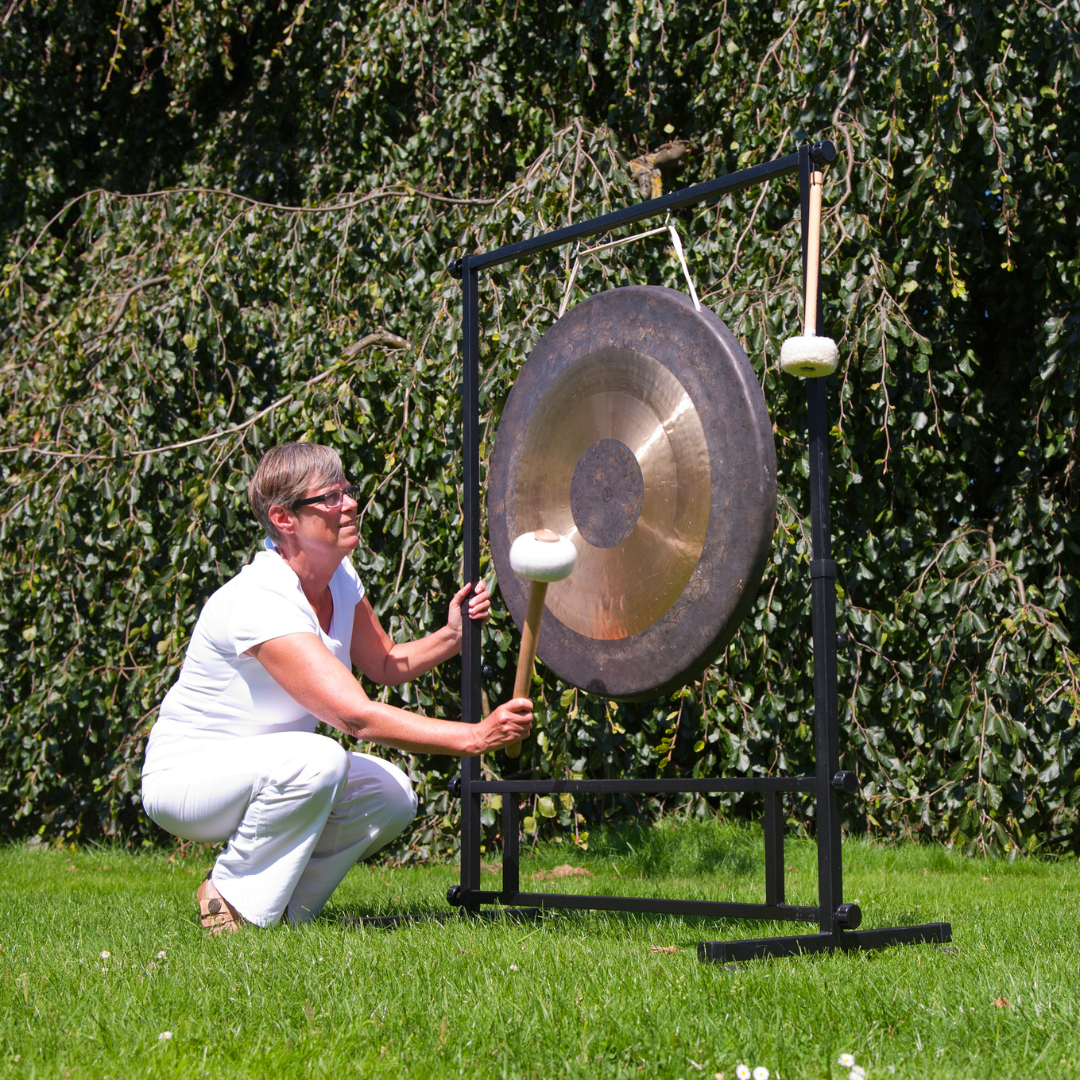
Produce precise, consistent frequencies that are usually activated near the body. Their gentle vibrations are often used to support relaxation, focus, and nervous system balance.
Create sustained harmonic tones that fill the space with sound. Their resonance helps calm the mind and encourages a meditative, grounded state.
Generate deep, immersive vibrations that can be felt throughout the body. These instruments are commonly used in sound baths or rhythmic practices to promote deep relaxation and emotional release.
Use the natural vibration of the human voice to create sound internally. Chanting or toning can help regulate breathing, release tension, and bring awareness to the present moment.
Digital sound recordings that use slightly different frequencies in each ear to influence brainwave activity. They are often used to support focus, meditation, or sleep.
Experiment to discover which frequencies and techniques resonate most with your body and mind.
While studies support sound therapy’s ability to reduce stress, improve sleep, and enhance mood, more research is needed to confirm claims about specific frequencies or deep cellular effects. Sound healing should be considered complementary to conventional healthcare.
Healing with frequencies is a holistic approach that uses sound vibrations and specific tones to support relaxation, emotional balance, and overall well-being. It is based on the idea that sound and vibration can influence the body and mind by interacting with the nervous system and brain activity.
Therapeutic sound works by using vibrations that may help regulate the nervous system, slow down brainwave activity, and promote a relaxed state. These effects can support stress reduction, improved focus, and emotional calm.
Some scientific studies support the benefits of sound therapy for reducing stress, anxiety, and improving sleep. However, research on specific healing frequencies is still evolving, and sound healing is best viewed as a complementary wellness practice rather than a medical treatment.
Yes, many sound healing practices are safe and accessible for most people. However, individuals with hearing sensitivities, neurological conditions, or medical concerns should consult a healthcare professional before using frequency-based therapies.
No. While tools like singing bowls, tuning forks, or gongs are commonly used, many people benefit from simple methods such as guided sound recordings, binaural beats, or vocal toning.
Frequency of use depends on personal preference. Many people find benefits from short daily sessions of 10–20 minutes, while others prefer weekly or occasional practices as part of their wellness routine.
Binaural beats are a digital sound technique that can be part of sound healing, but they are not the same as traditional acoustic instruments. They work specifically by influencing brainwave patterns through auditory perception.
No. Healing with frequencies should not replace medical care or professional treatment. It is best used as a supportive practice alongside conventional healthcare when appropriate.
Healing with frequencies and therapeutic sound provides a gentle, non-invasive way to support stress reduction, emotional balance, improved sleep, and overall well-being. While science continues to explore its effects, experiential evidence shows that sound can be a powerful tool for personal wellness when used mindfully and responsibly.