
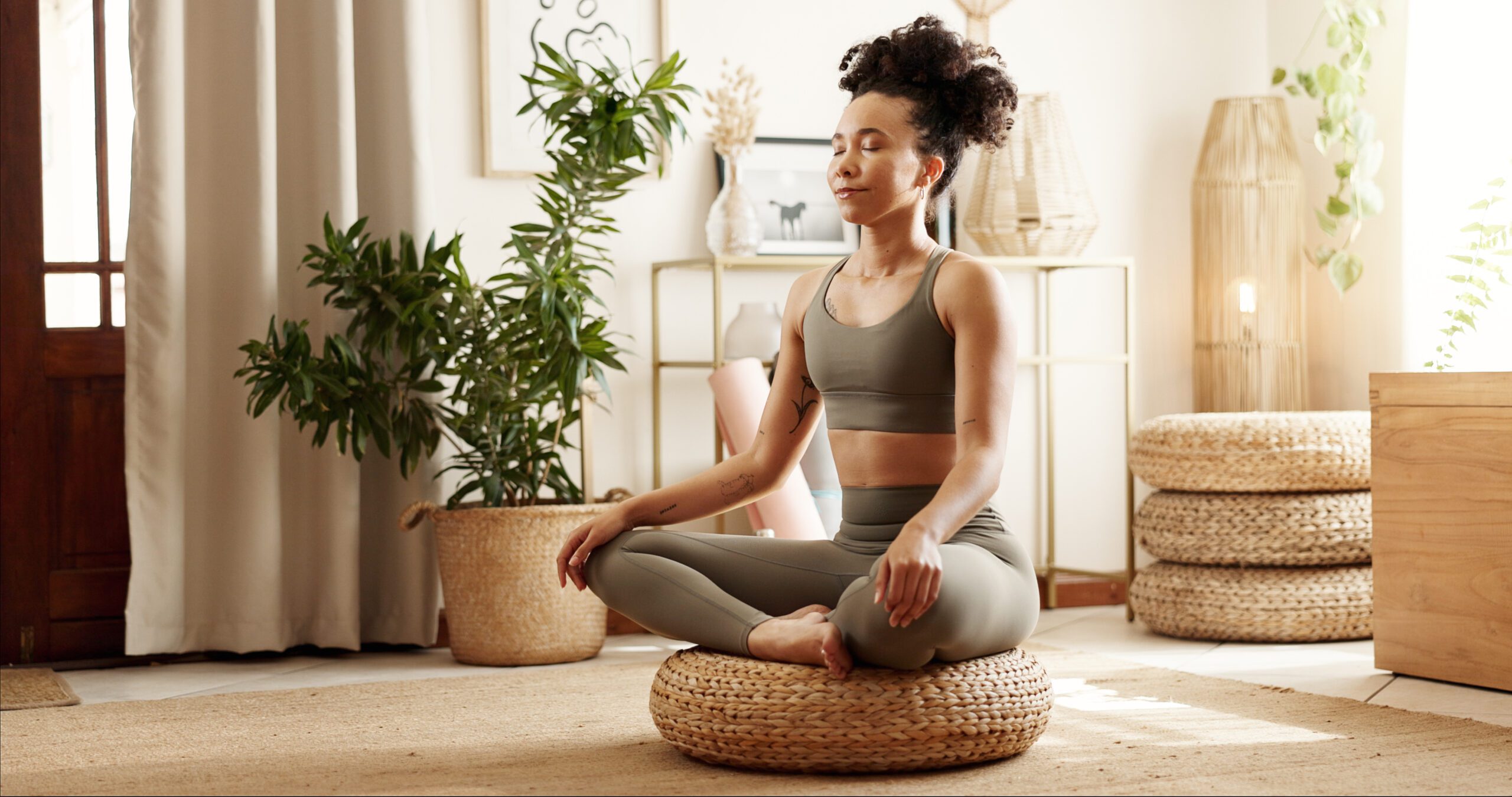
How to Create a Sacred Space for Meditation starts with understanding that your environment plays a powerful role in your inner calm. Creating a dedicated meditation area in your home can transform your practice by giving you a peaceful, intentional place where your mind and body naturally shift into relaxation.
A sacred space doesn’t have to be large or expensive, it simply needs to feel aligned with you. In this guide, you’ll learn step-by-step how to choose the right location, set the atmosphere, engage your senses, personalize the space, and maintain a sanctuary that supports mindfulness and inner peace every day.
Quiet and low-traffic corner: Look for a space in your home that’s away from frequent movement, a bedroom corner, a small nook, a balcony (if private), or an unused corner of the living room.
The goal is a place where you won’t be interrupted or distracted.
Natural light when possible: If there’s a window, place your meditation area nearby, natural light can bring energy, clarity and a sense of calm. If not, choose soft, ambient artificial lighting.
Even small spaces work: You don’t need a spacious room. A small corner in an apartment can become a sanctuary. What matters is the intention and the consistency.

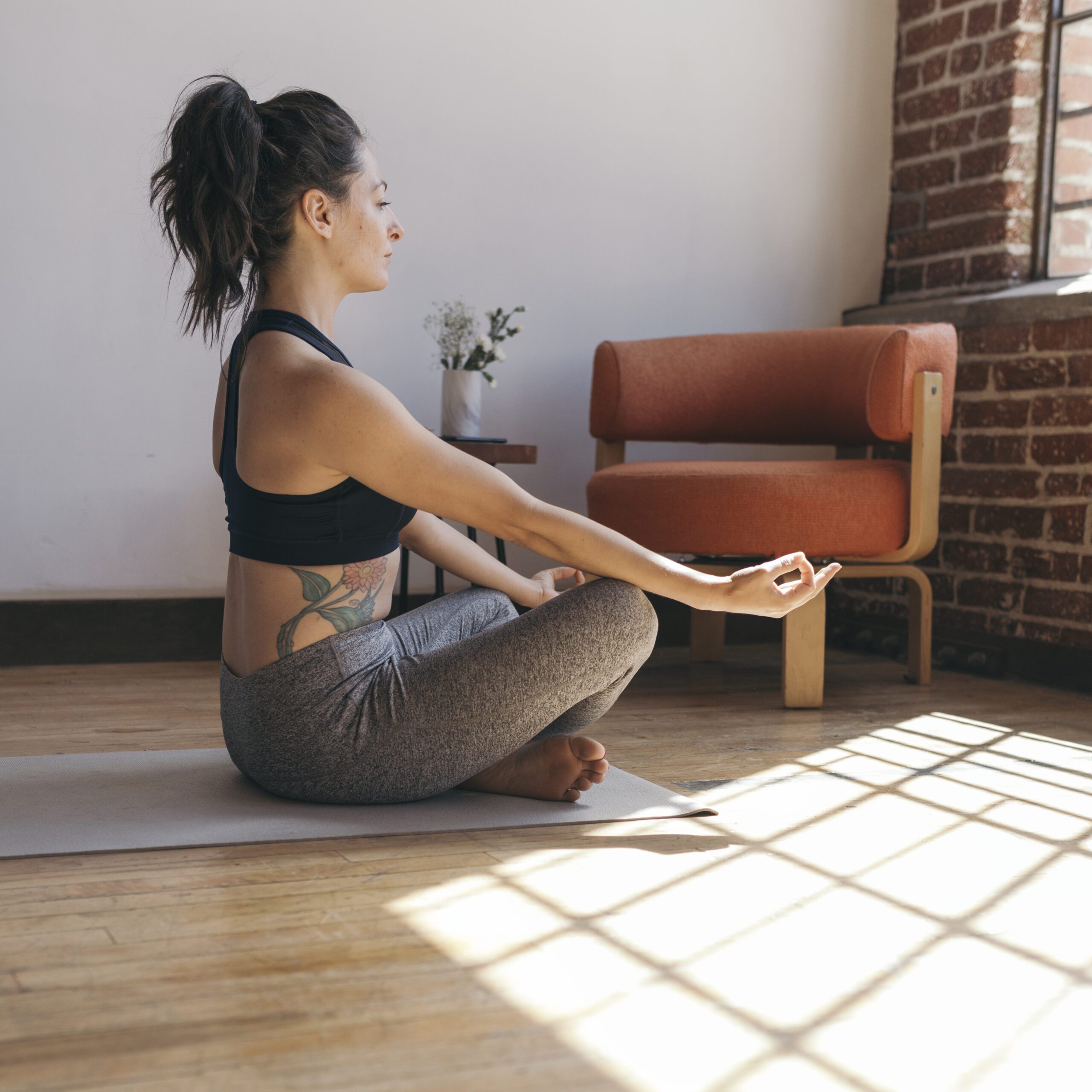
Minimalism helps the mind relax: Remove unnecessary furniture or objects. A clean, empty space allows your mind to settle more easily.
Only essentials: Keep only what supports your meditation, cushion, mat, maybe a small table, avoid overdecorating or overfilling the area.
Storage or hidden solutions: If needed, use small storage baskets or shelves to keep items out of sight when not in use, maintaining the simplicity of the space.
Soft, warm lighting helps signal to your mind that this is a space for calm. Use candles, soft lamps, or dimmable lights instead of harsh overhead brightness.
Opt for soft, neutral or earthy tones, beige, taupe, soft green, gentle blue, or natural wood tones. These help reduce visual stimulation and create serenity.
Textures like natural fiber rugs, cotton or linen cushions, woven mats or light throws enhance comfort and grounding.
Include plants, stones, wooden décor or natural materials, they add life and help connect with nature indoors. Plants may also improve air quality and contribute to a calming vibe.
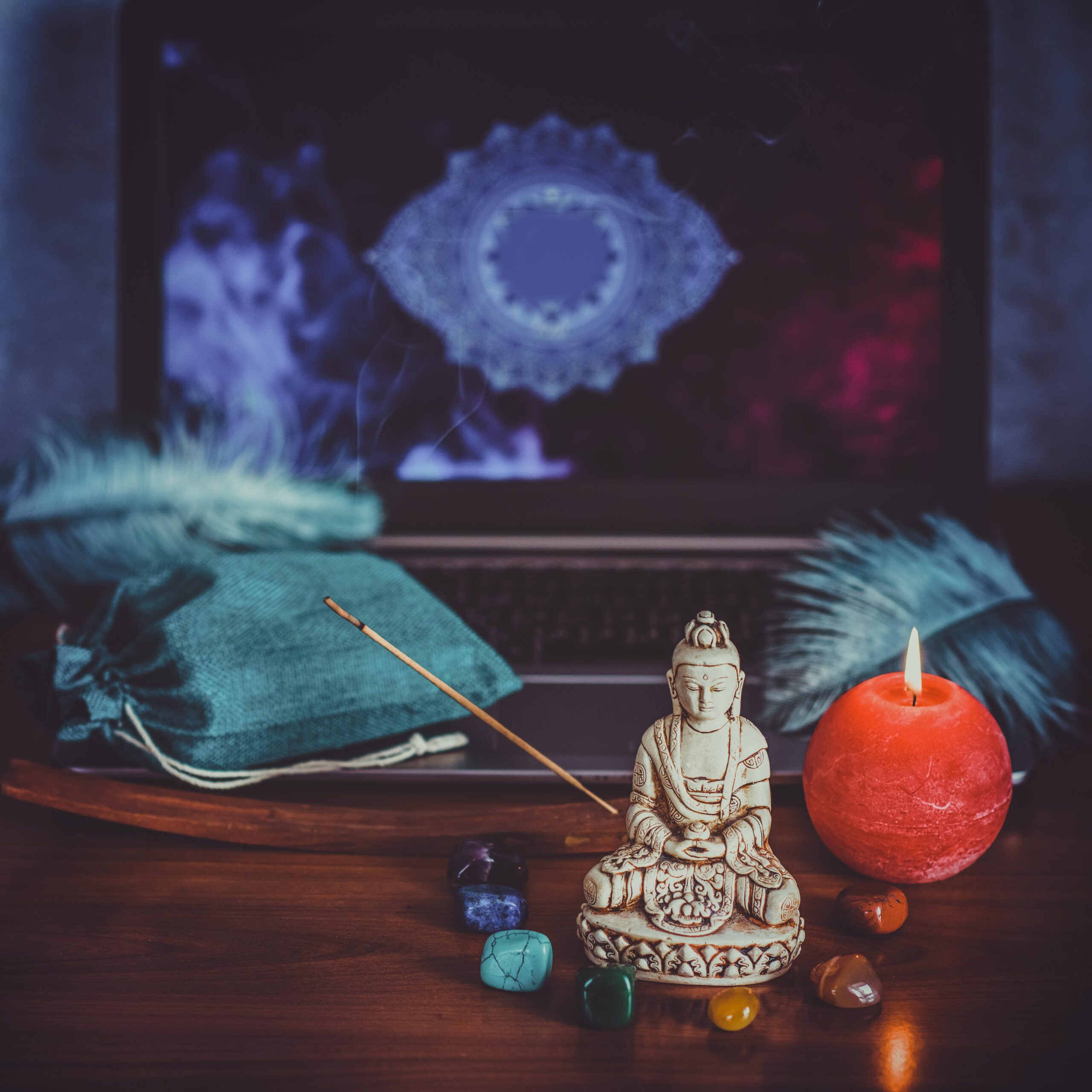
You might choose to add personal or spiritual elements: artwork or images that bring peace, small sacred objects, candles, crystals, or inspirational quotes, but only what feels meaningful and does not clutter the space.
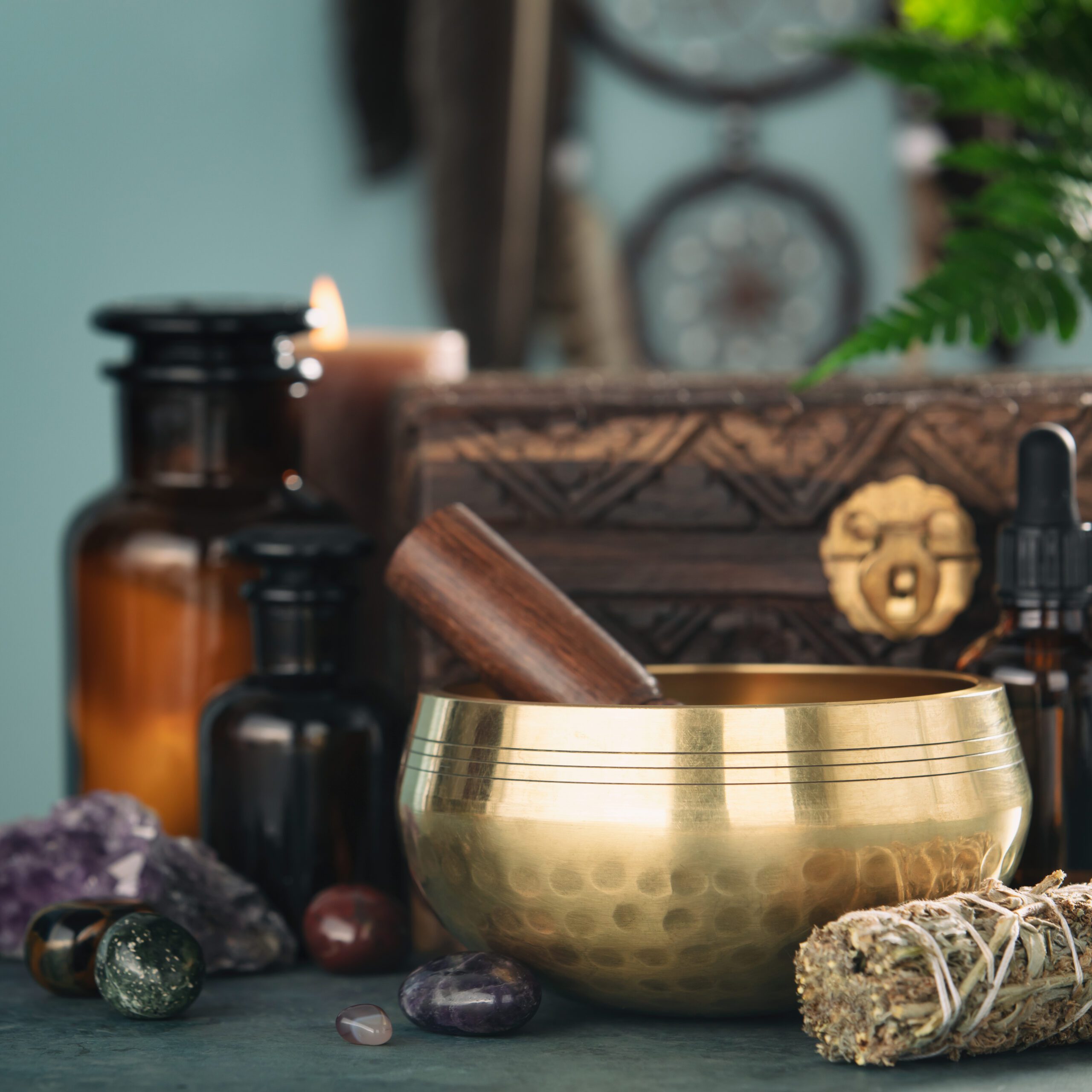
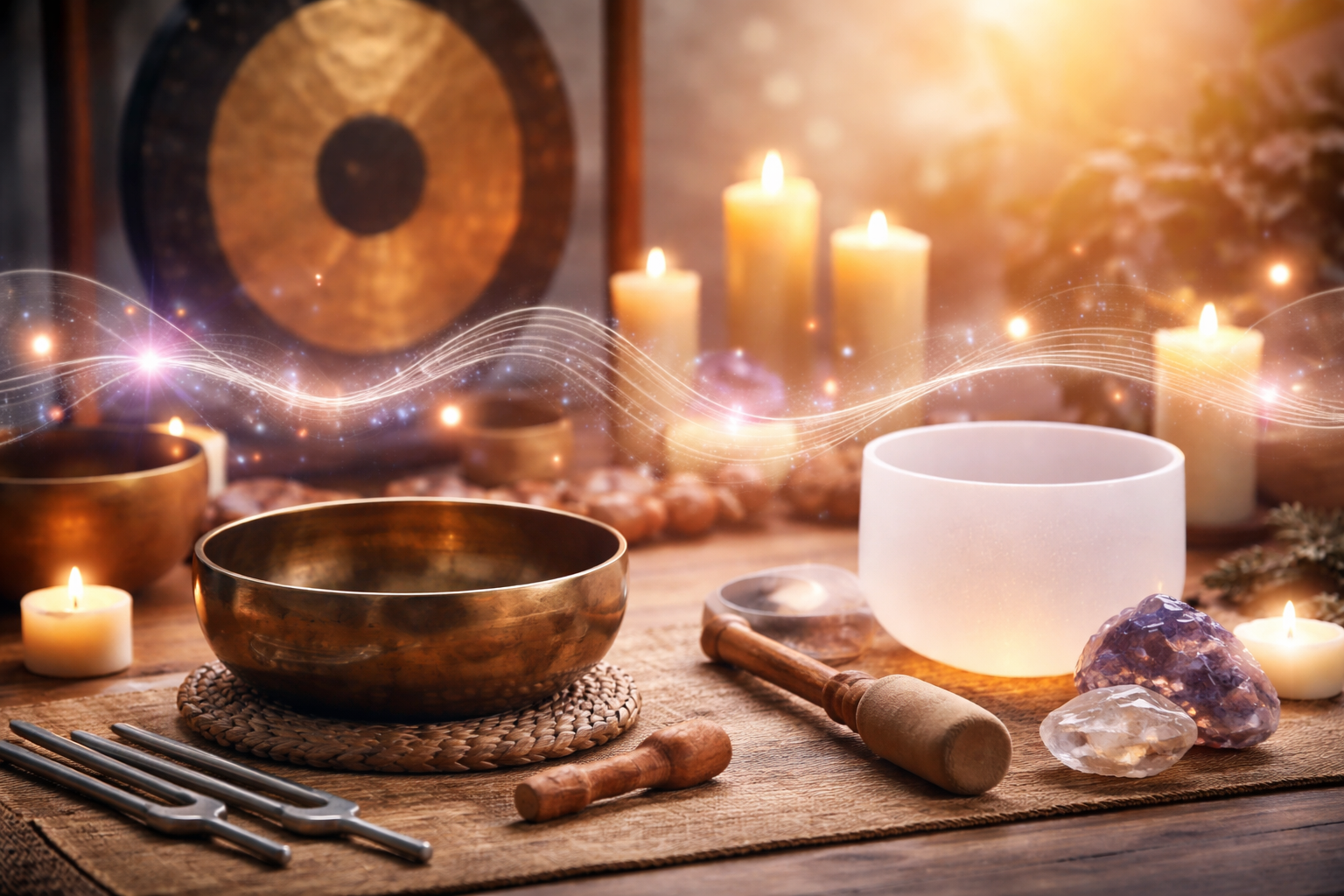
Gentle ambient sounds; soft music, nature sounds, singing bowls, water fountains, can help mask external noise and guide your mind into calm.
Using incense, essential oils, or lightly scented candles can add a layer of sensory calm. Scents like lavender, sandalwood or eucalyptus are popular for relaxation.
Ensure good airflow; open a window when possible or include air-purifying plants. Fresh air helps maintain physical comfort during meditation.
Make it uniquely yours: add items that reflect your inner intention, photos, art, meaningful objects, spiritual symbols, crystals, or quotes. These add emotional resonance, making the space feel sacred and personal.
Customize according to your meditation style: perhaps you practice breathwork, visualization, chanting, adapt the space (lighting, décor, tools) to match what feels best for you.
If you like ritual, you could include a small altar or a mat you only use for meditation, this helps build association: when you enter the space, your mind knows it’s time to meditate.
Keep the space clean, organized, and free of clutter. Dust, stale air or disorder undermines calm.
Refresh elements when needed, change cushions, renew plants, adjust lighting according to season.
Treat this corner or space as a sanctuary: respect it and use it regularly. Consistency helps deepen your meditation habit and keeps the space energetically positive.
Here are a few styles you can try, choose what resonates with you:
Minimalist / Zen: Clean, simple, uncluttered, neutral tones, essential seating only, minimal décor.
Nature-Inspired: Wood, stone, plants, earthy tones, a grounding, organic atmosphere.
Cozy / Bohemian: Soft rugs, layered cushions, warm tones, blankets, a relaxed vibe.
Spiritual / Altar Style: Candles, crystals or stones, meaningful symbol, ideal if you meditate with intention, rituals or prayer.
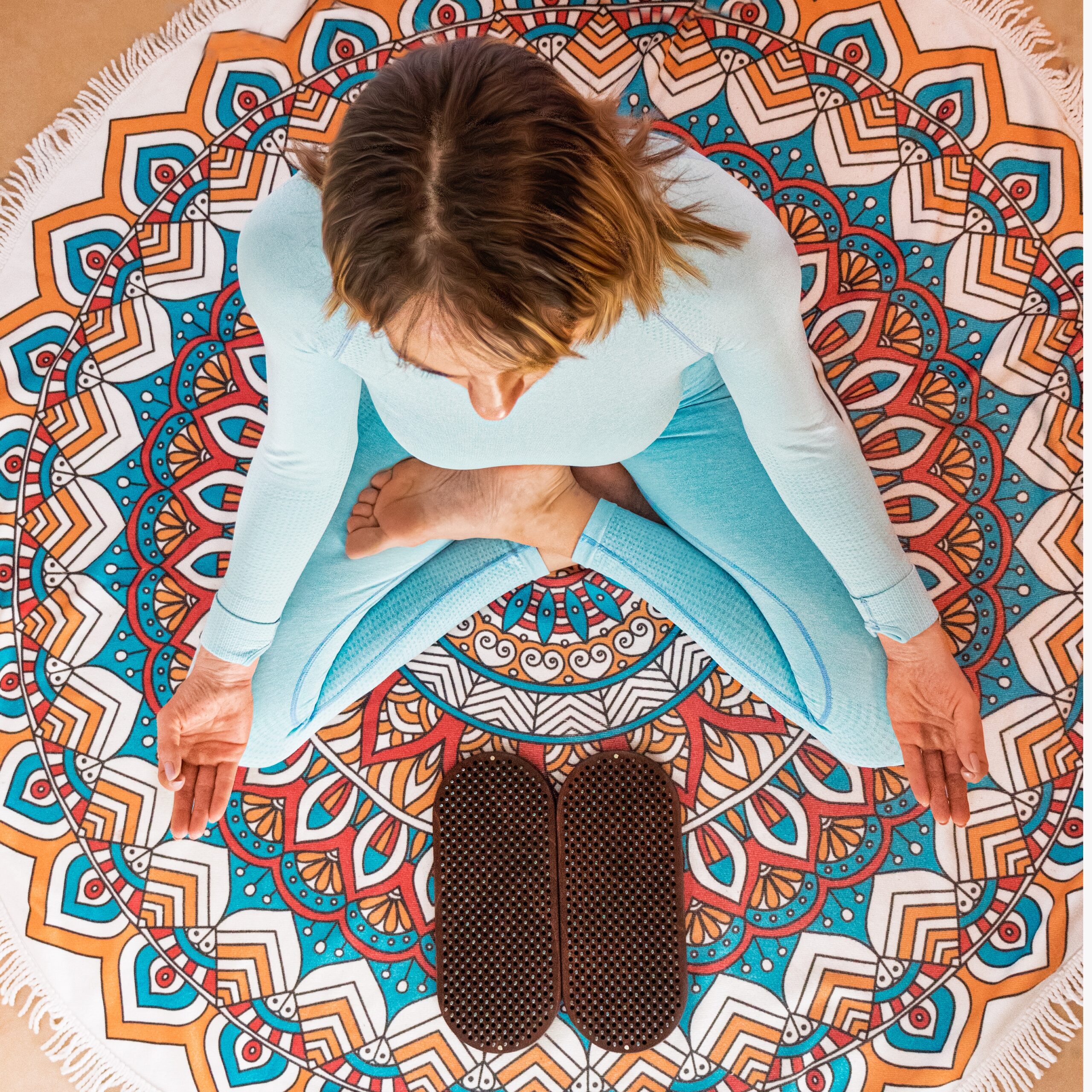
You don’t need a large room or expensive décor to create a sacred meditation space, just intention, simplicity and consistency. What matters most is that the space resonates with you personally: it feels calm, safe, welcoming, and invites stillness.
Whether you have a tiny apartment or a large home, with a few mindful choices you can carve out a corner that becomes your peaceful sanctuary. Start today, a cushion, a quiet corner, a soft light, and begin the habit of returning to calm.
No, a full room is nice but not necessary. A quiet corner, a balcony nook or even a small section of your living room can work as long as it’s consistent and dedicated to your practice.
Absolutely. Even a small area or corner; as long as it’s quiet, clutter-free and intentional, can serve as your meditation sanctuary.
Soft, warm lighting is best. Natural light is ideal during daytime. For evening or low-light environments, use dimmable lamps, candles or indirect lighting rather than harsh overhead lights.
Scents are optional. They can enhance relaxation and atmosphere, but if they distract you, or if you prefer no fragrances, simple clean air and natural lighting are enough to create a peaceful space.
Aim to keep it clean and clutter-free regularly. A quick tidy once a week and occasional refresh of decor, plants or textiles helps maintain calm and intention in the space.
Yes, but try to maintain the association with meditation: avoid clutter, electronics or activities that feel energetic or distracting. The clearer the intention, the stronger the effect.