
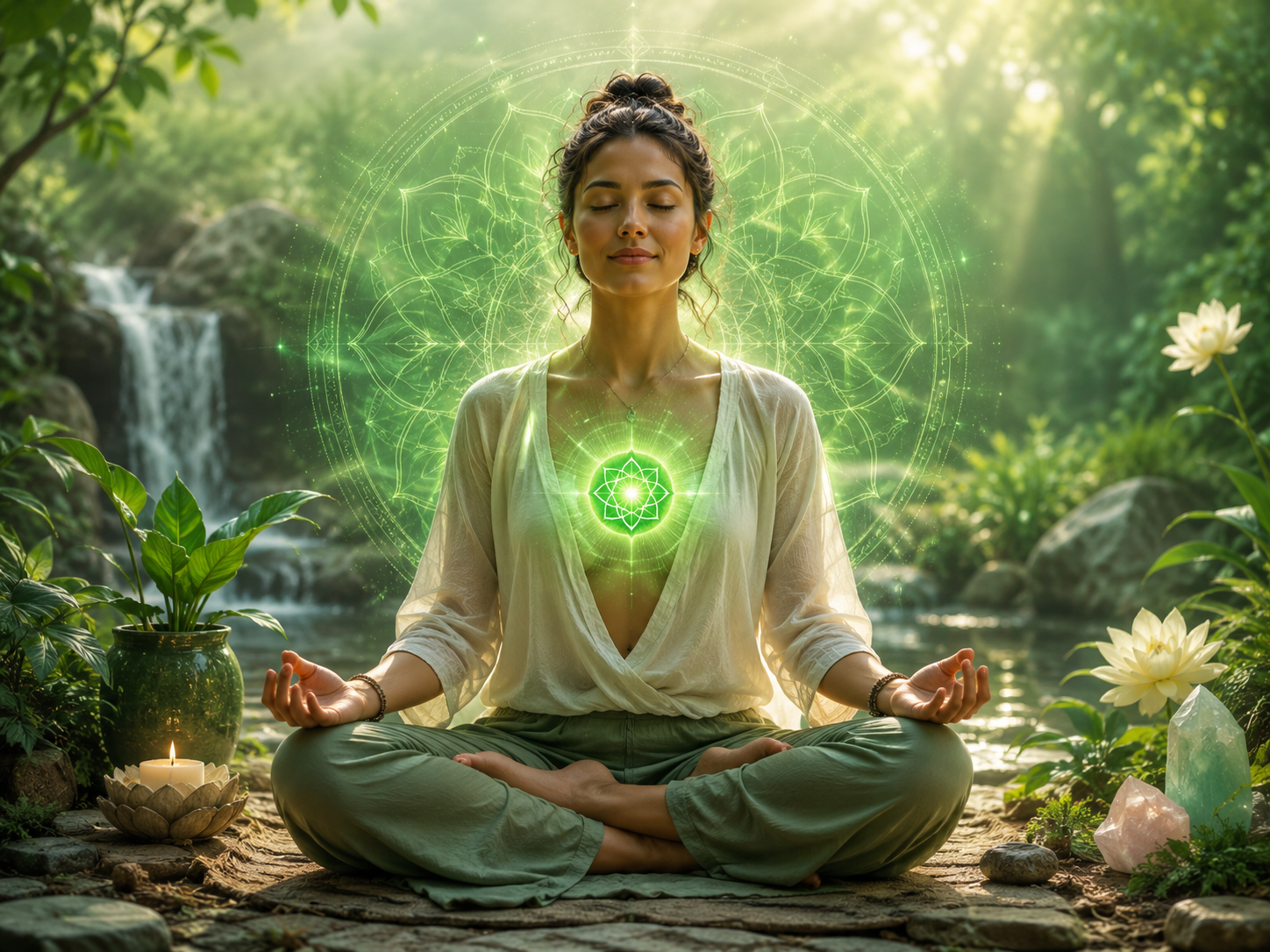
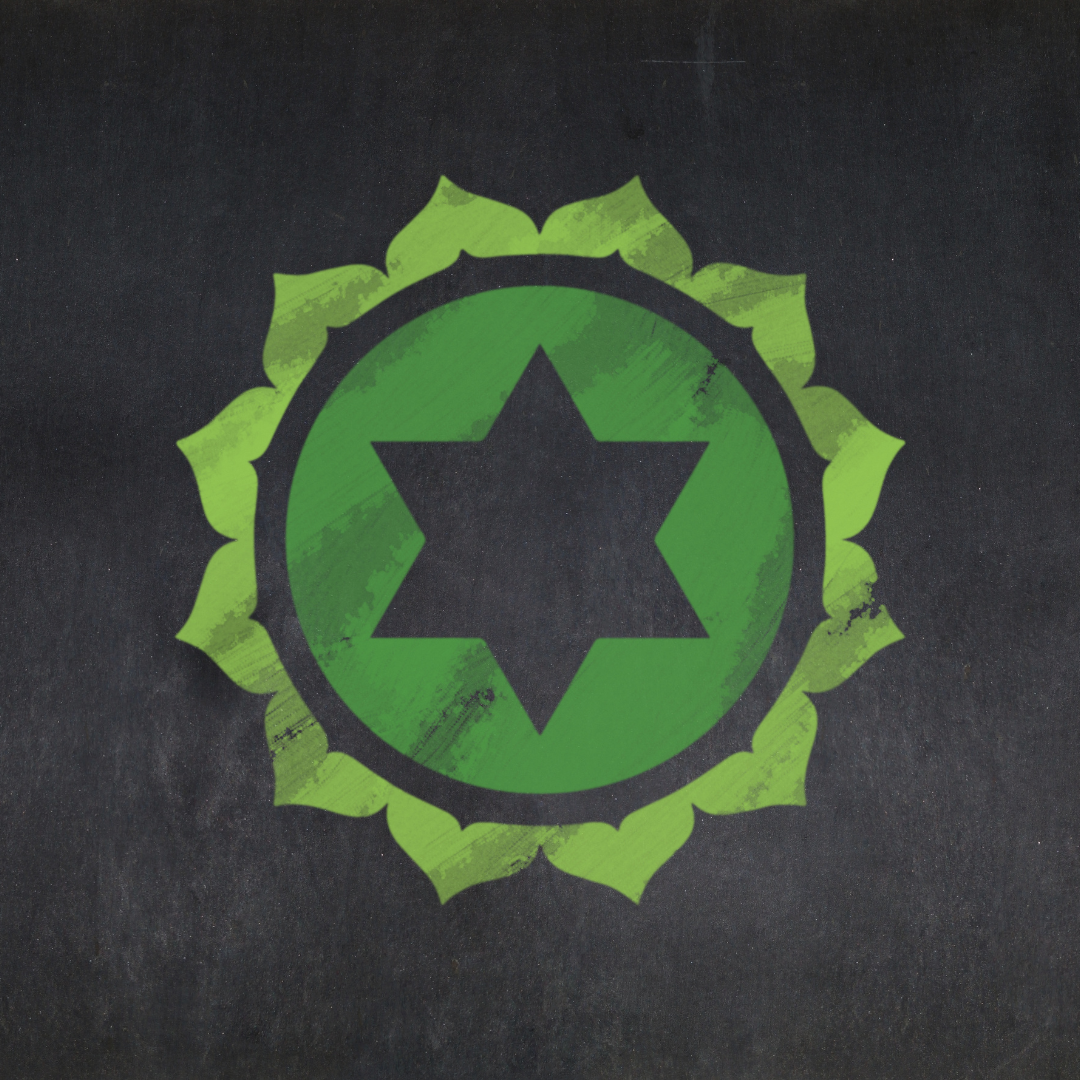
The Heart Chakra, known in Sanskrit as Anahata, is the fourth energy center in the chakra system and serves as the bridge between the physical and spiritual chakras. Located at the center of the chest, it represents love in its purest form, not only romantic love, but also self-love, compassion, forgiveness, empathy, and emotional balance.
When your Heart Chakra is open and balanced, you feel connected to yourself and others. You can give and receive love freely, maintain healthy relationships, and approach life with kindness and understanding. However, emotional wounds, grief, betrayal, or fear of vulnerability can disrupt the flow of energy through this chakra, making it difficult to trust, forgive, or experience deep emotional connection.
In this beginner’s guide, you’ll discover the meaning of the Heart Chakra, common signs of imbalance, practical healing techniques, meditation practices, affirmations, and simple lifestyle habits to help you restore emotional harmony and cultivate unconditional love.
The Heart Chakra is the fourth of the seven primary chakras and is considered the center of love, compassion, and emotional healing. It acts as the meeting point between the lower chakras, which govern physical needs and personal identity, and the upper chakras, which relate to intuition, communication, and spiritual awareness.
Because it sits at the center of the chakra system, the Heart Chakra reminds us that true balance comes from integrating both the physical and spiritual aspects of ourselves.
It encourages us to lead with empathy, kindness, and authenticity while remaining connected to our own needs.
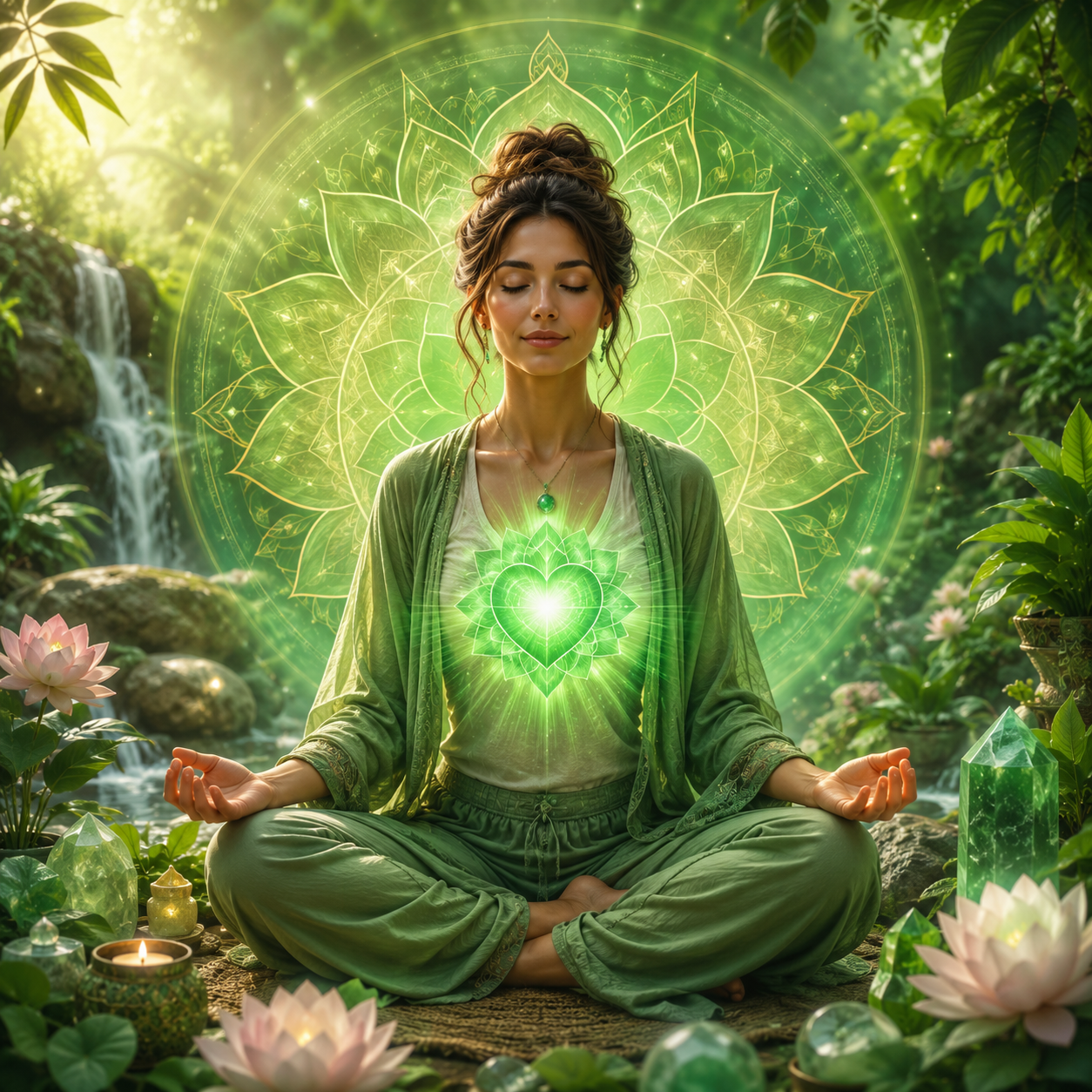
Think of the Heart Chakra as the bridge between your mind and your emotions. When it is balanced, love flows naturally without fear or attachment.
The Heart Chakra represents the ability to love openly while remaining emotionally balanced. It teaches us that love begins within and expands outward into every relationship we create.
It influences many areas of emotional well-being, including:
Self-love:
Accepting yourself with kindness and compassion. When you value yourself, it becomes easier to make choices that support your happiness, health, and personal growth.
Compassion:
Showing empathy toward yourself and others without losing healthy boundaries. True compassion allows you to care deeply while still honoring your own emotional needs.
Forgiveness:
Recognizing your value without needing external validation.
Letting go of resentment and creating space for healing. Releasing emotional burdens doesn’t mean forgetting the past, it means choosing peace over emotional pain.
Healthy relationships:
Building trust, honesty, and mutual respect. A balanced Heart Chakra helps you create deeper, more authentic connections based on understanding rather than fear or dependency.
Emotional balance:
Responding to life’s challenges with resilience rather than reacting from fear. It encourages calm, patience, and the ability to navigate difficult emotions with greater awareness.
Gratitude:
Connection:
Feeling a sense of belonging and unity with others. This chakra reminds us that meaningful relationships begin with an open heart and a genuine willingness to connect.
When your Heart Chakra is balanced, love becomes an energy you naturally share rather than something you constantly seek from external sources. You feel more at peace with yourself, communicate more openly, and experience stronger emotional resilience in both joyful and challenging moments.
The Heart Chakra is associated with the Air element, symbolizing openness, freedom, expansion, and connection. Just as air moves freely, a balanced Heart Chakra allows love and compassion to flow naturally through your life.
Breath is one of the most powerful tools for working with this chakra. Slow, mindful breathing helps release emotional tension while creating space for calmness and acceptance.
The Air element also reminds us that emotional healing is a process of movement. Instead of holding onto pain or resentment, we learn to let emotions move through us with awareness and compassion.
A balanced Heart Chakra supports emotional well-being and healthier relationships with yourself and others.
You may notice:
Rather than closing yourself off after disappointment, you remain open to love while protecting your emotional well-being.
When the Heart Chakra becomes blocked or imbalanced, it can feel like emotional walls start to form. Love, trust, and connection may feel distant or difficult, making it harder to fully open up to yourself and others.
This energetic imbalance often shows up through both emotional patterns and physical sensations that reflect inner tension or unresolved pain.

While these experiences are commonly discussed in spiritual traditions, it’s important to remember that physical symptoms can have many different causes. Persistent or concerning symptoms should always be evaluated by a qualified healthcare professional.
Many life experiences can affect the flow of energy through the Heart Chakra.
Common causes include:
Over time, these experiences may lead you to build emotional walls as a form of protection, making it harder to give and receive love freely.
One of the Heart Chakra’s greatest lessons is that loving yourself is not selfish—it is essential.
Self-love means treating yourself with the same patience, compassion, and understanding that you would offer someone you deeply care about. It includes honoring your emotions, respecting your needs, and recognizing your worth without depending on external validation.
As your Heart Chakra becomes more balanced, you may find it easier to practice self-care, establish healthy boundaries, and speak to yourself with kindness instead of criticism.
The way we experience relationships is often a reflection of the relationship we have with ourselves. When the Heart Chakra is open and balanced, love flows more freely, and connections become more authentic, stable, and nourishing.
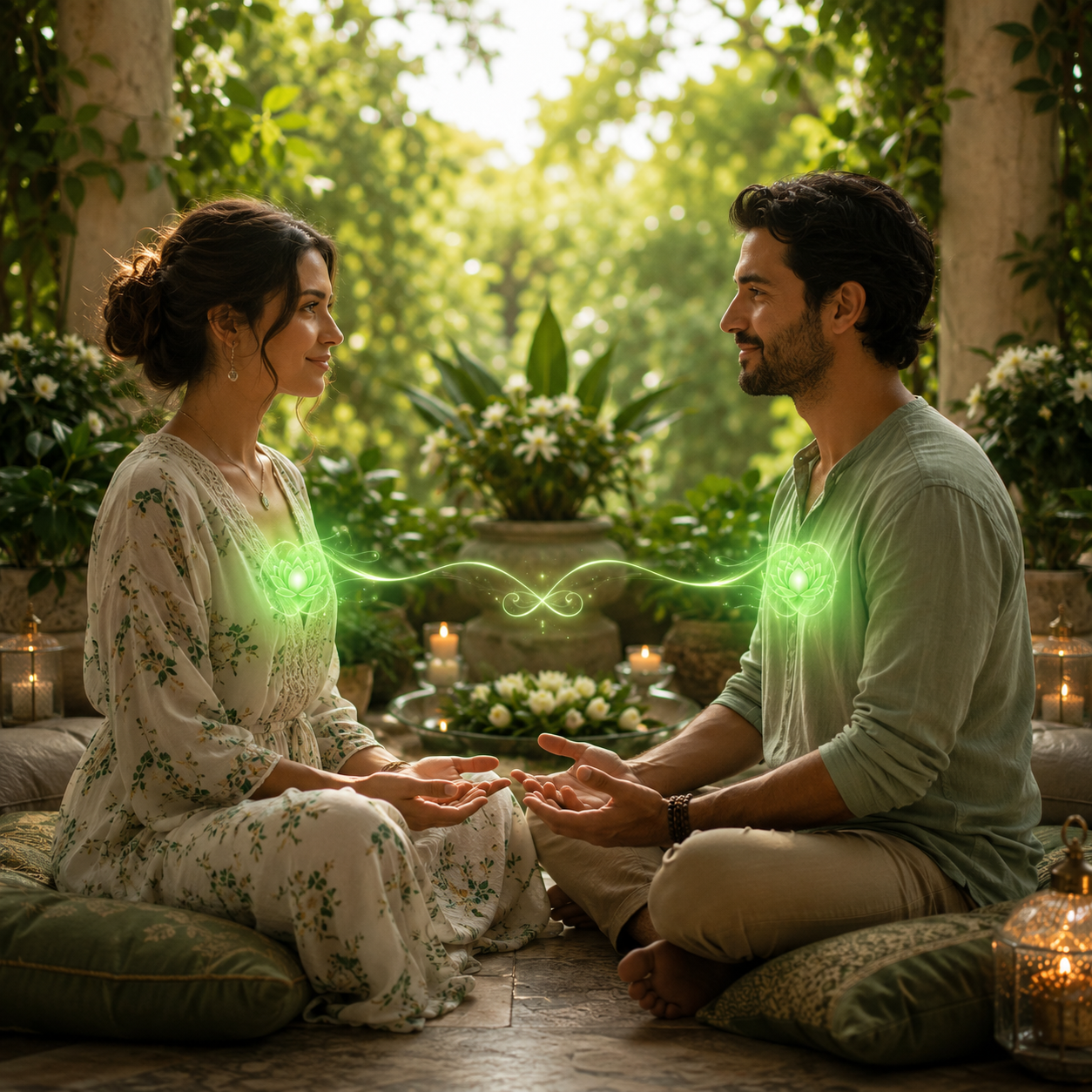
From this space, relationships are no longer driven by fear, neediness, or emotional imbalance, but by presence, trust, and mutual respect. A balanced Heart Chakra helps you:
Rather than seeking someone to complete you, you begin to create relationships rooted in wholeness, where both people are free to grow, connect, and love without losing themselves.
In many spiritual traditions, the Heart Chakra is associated with the heart, lungs, chest, shoulders, upper back, and circulatory system. Because it represents emotional openness, some people believe that unresolved emotions may be reflected through physical tension or discomfort in these areas.
While there is no scientific evidence that chakra imbalances directly cause medical conditions, chronic stress and emotional strain can affect overall well-being. Practices such as meditation, mindful breathing, yoga, and relaxation techniques may help reduce stress and promote emotional balance.
If you experience persistent chest pain, breathing difficulties, or any concerning physical symptoms, it’s important to seek guidance from a qualified healthcare professional.
Heart-centered meditation encourages emotional awareness and inner peace.
Sit comfortably with your eyes closed and bring your attention to the center of your chest. Visualize a soft emerald-green light glowing from your Heart Chakra. With every inhale, imagine this light expanding throughout your body. With every exhale, allow emotional tension, fear, or resentment to gently dissolve.
Remain with this visualization for several minutes, allowing yourself to experience feelings of gratitude, compassion, and unconditional love.
Conscious breathing helps calm the nervous system while supporting emotional balance.
Practices that work well with the Heart Chakra include:
As you breathe, imagine each inhale filling your heart with warmth and each exhale releasing emotional heaviness. Just five to ten minutes of mindful breathing each day can help create a greater sense of inner calm.

Writing down your thoughts and emotions can help you better understand your emotional patterns and create space for healing.

Try reflecting on questions like:
Journaling encourages honest self-reflection without judgment and can become a valuable part of your emotional healing journey.
Nature naturally encourages feelings of peace, gratitude, and connection.
Walking through a forest, sitting beneath a tree, visiting a botanical garden, or simply spending time in a quiet park can help calm the mind while reminding you of the interconnectedness of all living things.
Even a short walk outdoors can become a mindful practice when you focus on your breath, your surroundings, and the present moment.
Small acts of kindness toward yourself can strengthen the Heart Chakra over time.
Consider making these habits part of your daily routine:
Consistency matters more than perfection. Small acts of self-compassion practiced regularly can create lasting emotional resilience.
Acts of kindness naturally activate the qualities associated with the Heart Chakra.
Simple gestures such as offering encouragement, helping someone in need, expressing appreciation, or listening without judgment can strengthen feelings of connection and empathy.
Kindness also includes how you treat yourself. Speaking gently to yourself after making a mistake is just as important as showing compassion to others.
Heart-opening yoga poses encourage better posture, mindful breathing, and emotional openness.
Recommended poses include:
Move slowly through each posture while breathing deeply into the chest. Focus on creating space across the heart rather than forcing flexibility.

Many people use crystals during meditation or mindfulness practices as meaningful symbols of emotional healing and intention.
Often called the stone of unconditional love, Rose Quartz is commonly associated with self-love, compassion, forgiveness, and emotional healing.
Green Aventurine is traditionally linked to emotional growth, optimism, and new beginnings. It is often used by those working through life transitions or seeking greater emotional resilience.
Jade has long been associated with harmony, wisdom, and emotional balance. Many people use it to cultivate inner peace and strengthen feelings of stability.
Rhodonite is often connected with forgiveness and emotional recovery. It may serve as a reminder to release resentment while encouraging compassion toward yourself and others.
Emerald symbolizes unconditional love, loyalty, and personal growth. It is frequently used during meditation to inspire deeper compassion and heart-centered awareness.
The Heart Chakra is traditionally associated with green foods, which symbolize renewal, growth, vitality, and balance.

Examples include:
Eating fresh, nourishing foods with gratitude and mindfulness can become another meaningful way to support your emotional well-being and create a stronger connection between body and mind.
Essential oils are often used to create a peaceful environment for meditation, yoga, and relaxation. While they are not a substitute for medical care, many people include them in their holistic wellness routines.
Popular Heart Chakra oils include:
Diffuse these oils during meditation, add a few diluted drops to a warm bath, or apply them to your wrists before practicing mindfulness. Their calming aromas can help create an atmosphere that supports emotional reflection and self-compassion.
Positive affirmations can help you cultivate a more compassionate relationship with yourself while reinforcing thoughts and beliefs that support emotional healing. Although affirmations alone won’t resolve deep emotional wounds, practicing them consistently can encourage mindfulness, self-awareness, and a greater sense of inner peace.
Try repeating these affirmations slowly each morning, during meditation, or whenever you need to reconnect with your heart center:
Rather than simply repeating the words, pause after each affirmation and notice how it makes you feel. Over time, this mindful approach can help you develop greater emotional awareness and self-compassion.
This simple meditation is designed to help you reconnect with feelings of love, gratitude, and emotional balance. Find a quiet place where you won’t be disturbed for about 10 to 15 minutes.
Step 1
Sit comfortably with your spine straight and your shoulders relaxed. Rest your hands gently on your knees or over your heart.
Step 2
Close your eyes and begin taking slow, deep breaths. Allow each inhale to gently expand your chest, and each exhale to soften any tension you may be holding.
Step 3
Bring your attention to the center of your chest. Visualize a soft emerald-green light glowing within your Heart Chakra.
Step 4
With every inhale, imagine this green light growing brighter and expanding throughout your chest, shoulders, and entire body. With every exhale, release emotional heaviness, fear, resentment, and self-judgment.
Step 5
Silently repeat the Heart Chakra mantra:
Step 6
Spend a few moments reflecting on someone or something you genuinely appreciate. Let feelings of gratitude naturally expand alongside the green light.
Step 7
Remain in this peaceful state for several minutes before slowly opening your eyes. Take a deep breath and notice any sense of calm, openness, or emotional clarity before returning to your day.
Practicing this meditation regularly can help you develop greater emotional awareness, compassion, and inner balance over time.
The Heart Chakra is associated with love, compassion, forgiveness, empathy, and emotional balance. In many spiritual traditions, it influences how we relate to ourselves and others, helping us build healthy relationships while maintaining self-respect and emotional resilience.
A blocked Heart Chakra may show up as difficulty trusting others, fear of vulnerability, emotional numbness, loneliness, resentment, jealousy, or trouble giving and receiving love. Some people also experience physical tension around the chest, shoulders, or upper back, although these symptoms can have many different causes.
Many people support Heart Chakra balance through meditation, mindful breathing, yoga, journaling, gratitude practices, spending time in nature, and acts of kindness. Developing self-love and learning to forgive yourself and others are also considered important aspects of Heart Chakra healing.
Rose Quartz is one of the most popular crystals associated with the Heart Chakra because it symbolizes unconditional love, compassion, and emotional healing. Other commonly used crystals include Green Aventurine, Jade, Rhodonite, and Emerald.
Meditation can be a helpful practice for cultivating emotional awareness, relaxation, and self-compassion. Many Heart Chakra meditations focus on visualizing a green light in the center of the chest while repeating the mantra YAM and practicing slow, mindful breathing.
The Heart Chakra is most closely associated with love, compassion, gratitude, empathy, forgiveness, and emotional connection. When imbalanced, it may also relate to feelings such as grief, resentment, fear of rejection, or emotional isolation.
There is no universal timeline. Some people notice emotional shifts within a few weeks of regular practice, while others may need more time depending on their life experiences and personal growth. Consistency, patience, and self-compassion are often more important than speed.
A balanced Heart Chakra can encourage healthier communication, greater empathy, stronger emotional boundaries, and a deeper capacity for trust and forgiveness. While it won’t eliminate relationship challenges, it can help you approach them with greater emotional awareness and compassion.
The Heart Chakra reminds us that love is more than an emotion, it is a way of relating to ourselves, to others, and to the world around us. As the bridge between the lower and upper chakras, it encourages us to bring together our physical experiences, emotional well-being, and spiritual growth with compassion, balance, and authenticity.
Healing the Heart Chakra does not mean avoiding pain or pretending difficult emotions do not exist. Instead, it means creating space to acknowledge those experiences, learn from them, and gradually replace fear with understanding, forgiveness, and self-acceptance.
Whether you choose to practice meditation, mindful breathing, yoga, journaling, affirmations, or simple acts of kindness, every small step contributes to a stronger connection with your heart center. Over time, these habits can help you develop greater emotional resilience, healthier relationships, and a deeper appreciation for yourself and those around you.
Remember that opening the Heart Chakra is an ongoing journey rather than a final destination. By approaching yourself with patience, compassion, and consistency, you create the foundation for a life guided by love, inner peace, and meaningful human connection.