
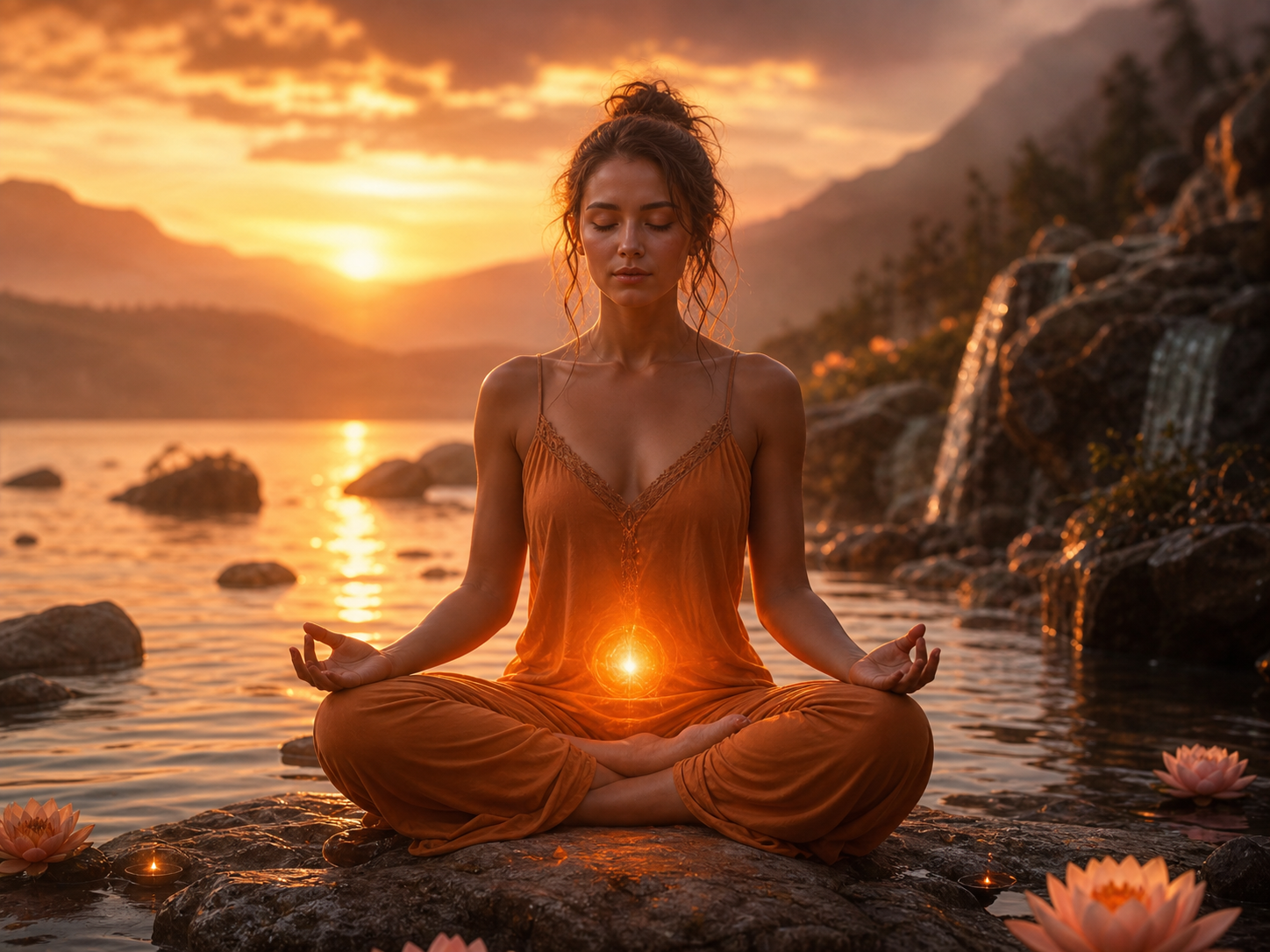
The Sacral Chakra, known in Sanskrit as Svadhisthana, is the second energy center in the chakra system. It is located in the lower abdomen, just below the navel, and is deeply connected to emotions, creativity, pleasure, and sensual energy.
When this chakra is balanced, life feels more fluid, expressive, and emotionally rich. When it is blocked, you may feel emotionally stuck, uninspired, or disconnected from joy.
This guide will help you understand the meaning of the Sacral Chakra and how to gently restore its natural flow.
The Sacral Chakra, or Svadhisthana, is the second energy center in the traditional chakra system. It is commonly associated with emotion, creativity, pleasure, sensuality, and the ability to move through life with greater flexibility. Traditional descriptions of the chakra system identify Svadhisthana as one of the subtle energy centers described in Indian spiritual traditions.
It is the part of you that allows movement, expression, and emotional connection.
Think of it like water, when it flows freely, everything feels alive and dynamic. When blocked, it becomes stagnant.
In the traditional chakra sequence, the Sacral Chakra sits above the Root Chakra, which is associated with grounding, stability, and a sense of safety.
The meaning of the Sacral Chakra is deeply tied to your ability to feel and express emotions without suppression or overwhelm. It influences:

Emotional expression:
How freely you feel and express emotions without blocking them.
Creativity:
Your ability to create, imagine, and bring ideas into life.
Pleasure and joy:
How open you are to experiencing enjoyment in daily life.
Relationships and intimacy
How you connect emotionally and energetically with others.
Sensuality:
Your connection to your body and physical experiences.
Emotional flow:
your ability to move through emotions instead of getting stuck in them.
When balanced, you feel emotionally alive, expressive, and connected to your desires.
The next energy center is the Solar Plexus Chakra, which shifts the focus toward confidence, self-esteem, motivation, and personal power.
When balanced, you feel emotionally alive, expressive, and connected to your desires.
Mindfulness can complement this process by helping you notice emotions as they arise without immediately judging or suppressing them. The National Center for Complementary and Integrative Health describes mindfulness as a practice centered on present-moment awareness and a nonjudgmental relationship with thoughts, emotions, and experiences.
Within a Sacral Chakra practice, mindfulness can therefore be used as a practical way to become more aware of emotional patterns while still understanding the chakra system as a spiritual framework.
You may notice:
There is a natural sense of flow in how you feel and express yourself.
When the Sacral Chakra is blocked, emotional and creative energy becomes restricted.

It can feel like life has lost its color or flow.
These physical experiences are sometimes associated with the Sacral Chakra within spiritual traditions, but they should not be interpreted as signs that a chakra imbalance is causing a medical condition. Symptoms such as persistent pelvic discomfort, hormonal changes, fatigue, or changes in libido can have many physical or psychological causes and should be discussed with a qualified healthcare professional when they are persistent or concerning.
Common causes include emotional suppression or lack of creative expression.
This chakra thrives when emotions are allowed to move freely.
Balancing the Sacral Chakra can involve a combination of emotional awareness, creativity, meditation, and intentional daily practices.
If you want to work with Svadhisthana as part of the entire energy system, our Daily Chakra Healing Routine offers a simple way to incorporate chakra practices into your everyday routine.
Meditation can provide a quiet space to observe emotions without immediately reacting to them. The National Center for Complementary and Integrative Health, part of the National Institutes of Health, describes meditation as a broad group of practices that may use breathing, sounds, visual images, mantras, or present-moment awareness as points of focus.
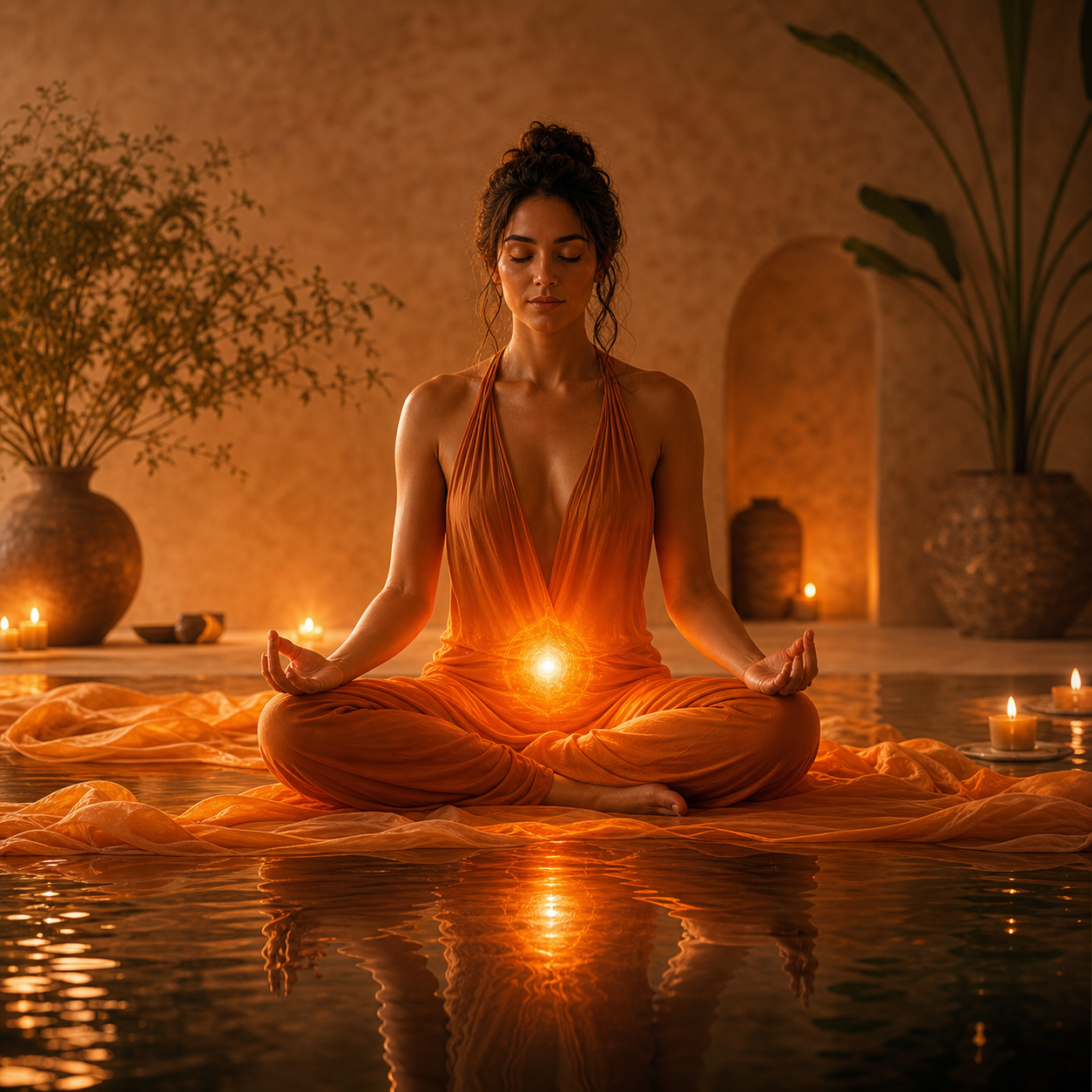
For a Sacral Chakra meditation, sit comfortably and bring your attention to the lower abdomen. Visualize a warm orange light expanding gently with each breath and imagine emotional energy moving like water: flowing, softening, and releasing.
Practice for 10–15 minutes.
Use them during creative work or meditation.
Creative expression is commonly associated with the Sacral Chakra and can be a meaningful way to explore emotions, imagination, and personal expression.
Try:
The goal is not perfection, but giving yourself space to create, feel, and express without excessive self-judgment.
If creative expression helps you reconnect with yourself, you can also explore these 5 Creative Rituals to Calm Your Mind for additional ways to use creativity as part of a reflective routine.
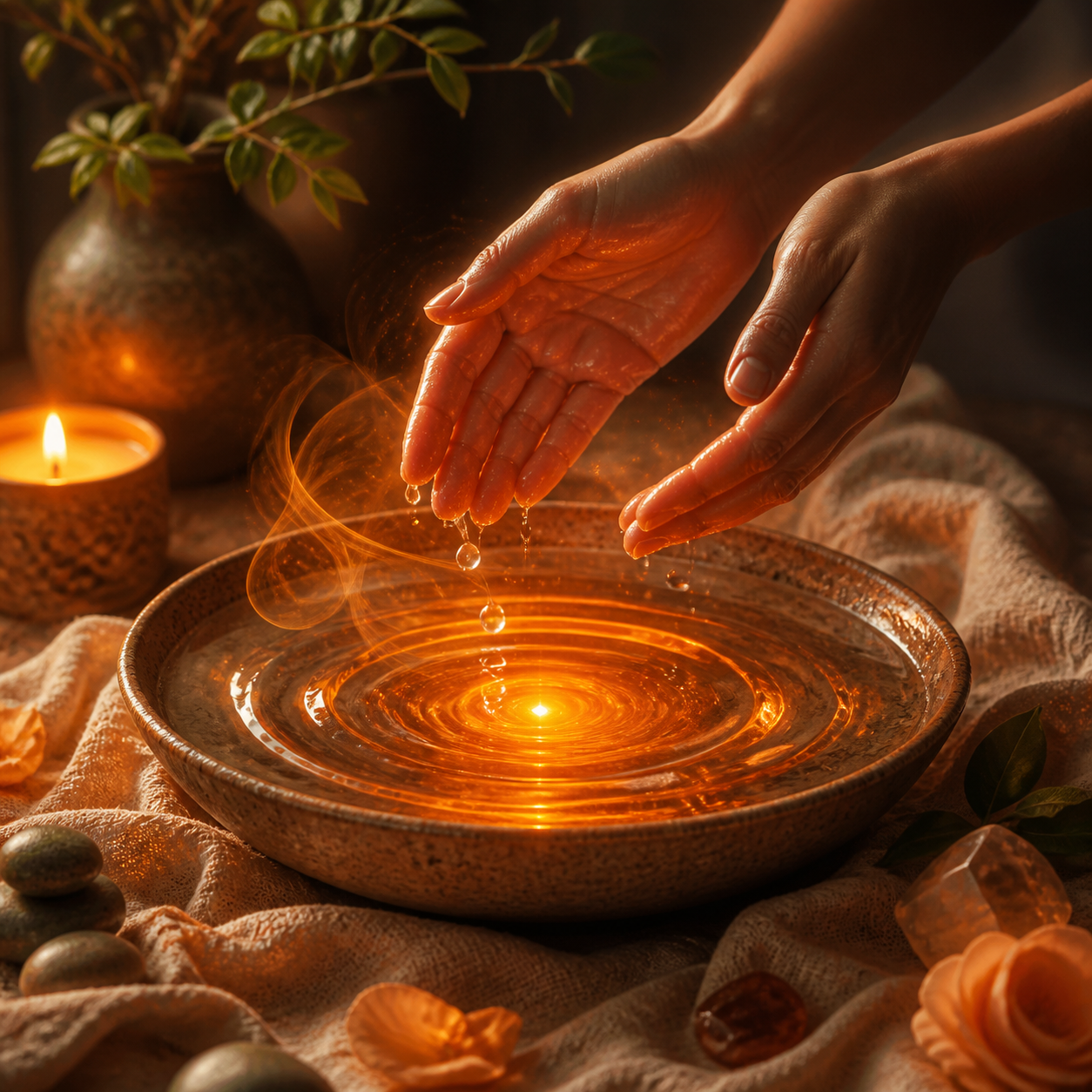
The Sacral Chakra is deeply connected to the water element, which represents flow, emotion, intuition, and adaptability. When this energy center is balanced, emotions move freely rather than becoming stuck, just like water flowing naturally.
Working with water in intentional ways can help restore emotional harmony and support inner healing.
Some simple water-based practices include:
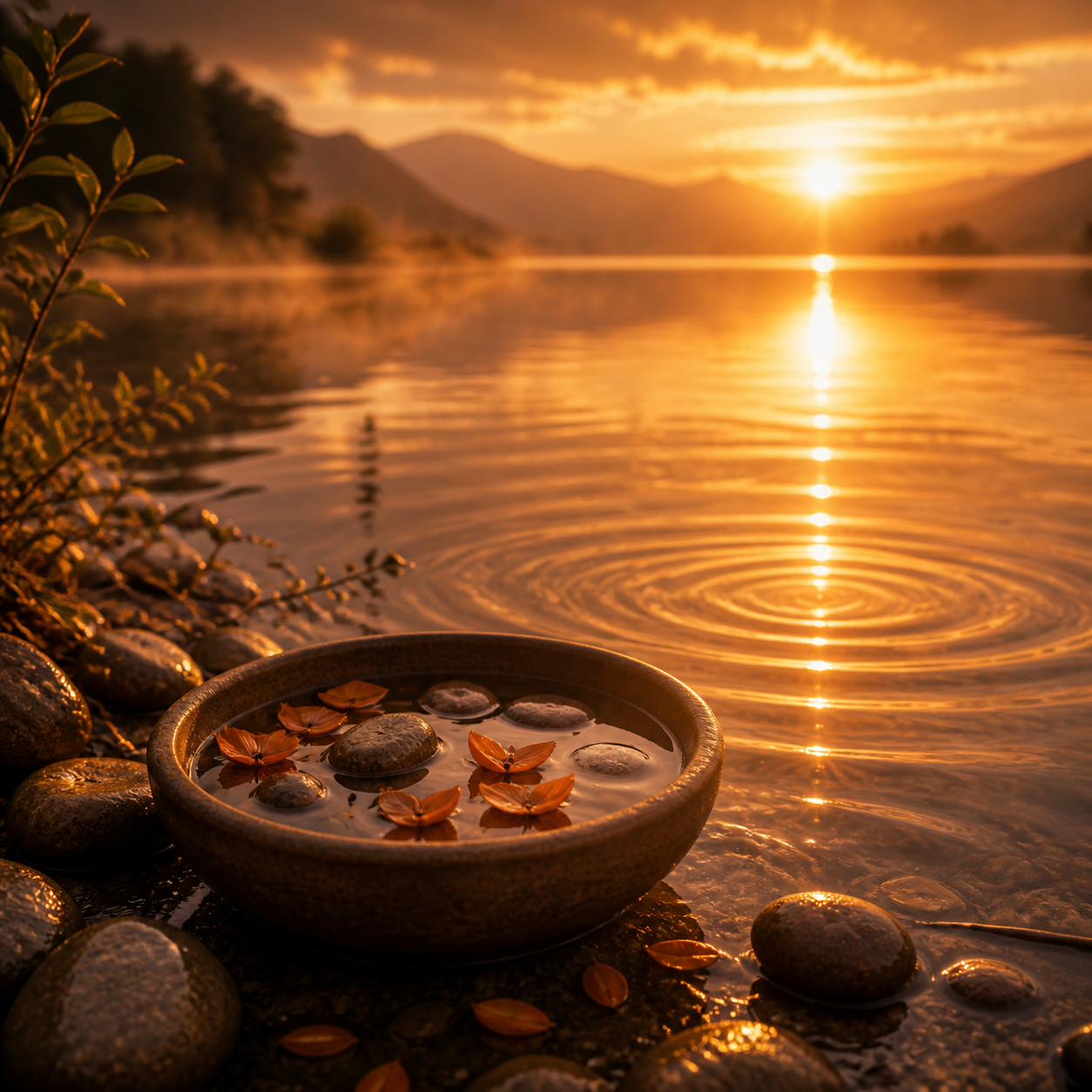
Water symbolizes emotional flow and cleansing. By consciously connecting with it, you allow stagnant energy to soften, release, and move more freely, creating space for balance, creativity, and emotional clarity.
Foods associated with the Sacral Chakra are often orange, hydrating, and naturally sweet, as they are believed to support emotional flow, creativity, and pleasure. In many spiritual traditions, eating with awareness is just as important as the food itself, as it helps you reconnect with your body and your senses.

Some supportive foods include:
These foods are often linked with vitality, emotional balance, and a sense of nourishment from within. Their vibrant colors are also thought to reflect the energy of creativity and joy associated with this chakra.
Try to eat slowly and mindfully, without distractions, allowing yourself to fully experience the taste, texture, and aroma of your food. This simple practice can help you cultivate presence and strengthen your connection to pleasure, grounding, and emotional awareness.
Positive affirmations can help shift your mindset and reinforce healthy emotional patterns. When practiced consistently, they encourage greater creativity, confidence, and a deeper connection with your feelings and inner joy.
Practice for 10 minutes daily.
Essential oils are often used in meditation, yoga, and aromatherapy to create a calming atmosphere and encourage emotional balance. While they are not a substitute for medical treatment, many people incorporate them into their spiritual practices to support relaxation, creativity, and mindfulness.
If you want to explore aromatherapy beyond chakra practices, our guide to Essential Oils for Manifestation explains how different scents can be incorporated into meditation, reflection, and intention-setting rituals.
Diffuse these oils during meditation, add a few diluted drops to a warm bath, or blend them with a carrier oil for a relaxing massage. Combined with mindful breathing and intention, they can help create a peaceful environment for Sacral Chakra practices.
The Sacral Chakra is associated with your emotional well-being, creativity, pleasure, and ability to form healthy relationships. It influences how freely you express your feelings, enjoy life’s experiences, and connect with your passions. When balanced, it supports emotional resilience, inspiration, and a healthy sense of joy.
A blocked Sacral Chakra may lead to emotional numbness, low creativity, difficulty expressing feelings, or a lack of motivation and passion. Some people also experience guilt, fear of intimacy, or an inability to enjoy activities they once loved. These signs can vary from person to person and are best viewed as part of spiritual traditions rather than medical diagnoses.
You can activate the Sacral Chakra through creative activities like painting, dancing, or writing, as well as meditation, breathwork, yoga, and spending time near water. Wearing the color orange, practicing positive affirmations, and working with supportive crystals can also help encourage a greater sense of emotional flow and creativity.
The Sacral Chakra is represented by the color orange. This vibrant color symbolizes creativity, emotional expression, pleasure, vitality, and personal growth. Many people incorporate orange into meditation, clothing, or home décor as a visual reminder of these qualities.
Some of the most popular crystals for the Sacral Chakra include Carnelian, Orange Calcite, Moonstone, Sunstone, and Tiger’s Eye. These crystals are traditionally used in spiritual practices to encourage creativity, confidence, emotional balance, and motivation. While many people find them meaningful, their effects are based on spiritual beliefs rather than scientific evidence.
The Sacral Chakra is the center of emotion, creativity, and life flow. When it is balanced, you feel emotionally open, creatively inspired, and connected to pleasure and joy in everyday life.
Healing this chakra is not about controlling emotions, but about allowing them to move freely again. Through creativity, water, mindfulness, and emotional expression, you can restore flow and reconnect with your natural vitality.
Just like water, you are meant to move, feel, and flow with life, not stay stuck in one emotional state.