

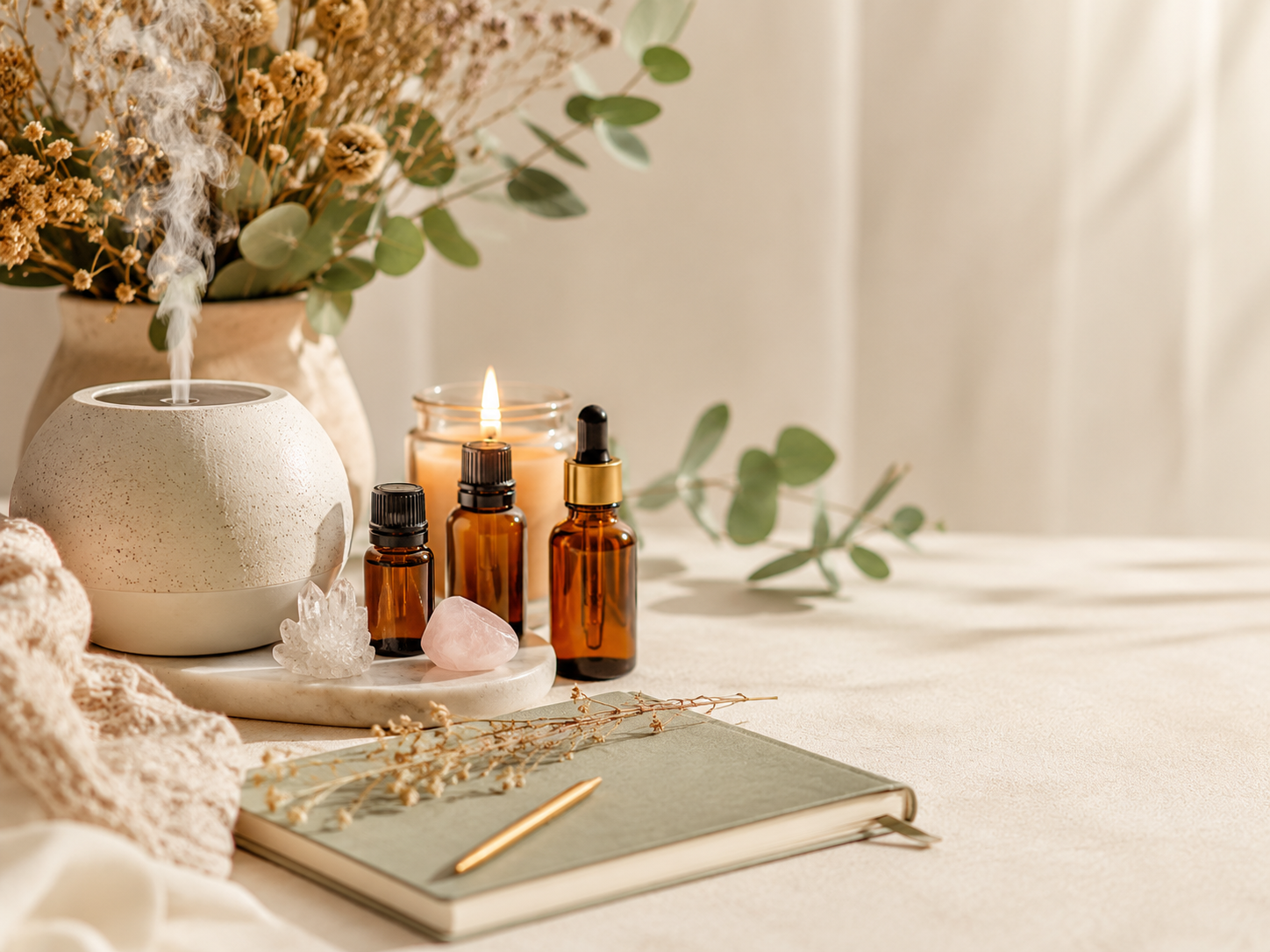
Manifestation is often about more than simply thinking about what you want. It can also be about creating intentional moments where you slow down, focus your attention, connect with your emotions, and remind yourself of the goals you want to move toward.
One simple way to make these moments more meaningful is by incorporating essential oils into your manifestation rituals.
Essential oils have long been used in aromatherapy through methods such as inhalation or diluted topical application. While they should not be considered a magical way to manifest specific outcomes, certain scents can become powerful sensory anchors for meditation, relaxation, reflection, and intention-setting.
So, how can you use essential oils for manifestation? And which oils might work best for intentions such as abundance, love, confidence, or inner peace?
Let’s explore it.
Essential oils are concentrated aromatic substances extracted from plants, including flowers, herbs, leaves, fruits, and trees. They are commonly produced through methods such as steam distillation or pressing.
In aromatherapy, essential oils are generally inhaled or applied to the skin after being properly diluted. Popular examples include lavender, peppermint, lemon, cedarwood, bergamot, and frankincense.
Different scents can evoke different memories, emotions, and associations. That makes them particularly interesting when combined with practices such as meditation, journaling, affirmations, or manifestation.
The important distinction is that the essential oil itself does not manifest something for you.
Instead, you can use its aroma as part of a ritual that helps you pause, focus your attention, and connect with a particular intention.
There is no scientific evidence showing that essential oils can directly attract money, love, success, or other specific manifestations.
However, aromatherapy can be incorporated into practices designed to promote relaxation, mood, or a sense of well-being, although the scientific evidence varies depending on the oil and the intended use. For example, research on lavender aromatherapy has produced mixed results, while some studies suggest possible benefits for relaxation, anxiety, or sleep.
This is where essential oils can fit naturally into manifestation.
Think of an essential oil as a sensory reminder of your intention.
For example, you might choose lavender whenever you practice an evening manifestation ritual. Over time, the familiar scent can become associated with slowing down, breathing deeply, and focusing on your goals.
The ritual becomes less about the oil itself and more about the meaning and intention you give to the moment.
There is no scientifically proven essential oil for manifestation. However, you can choose oils based on their aroma and the type of intention you want to associate with your practice.

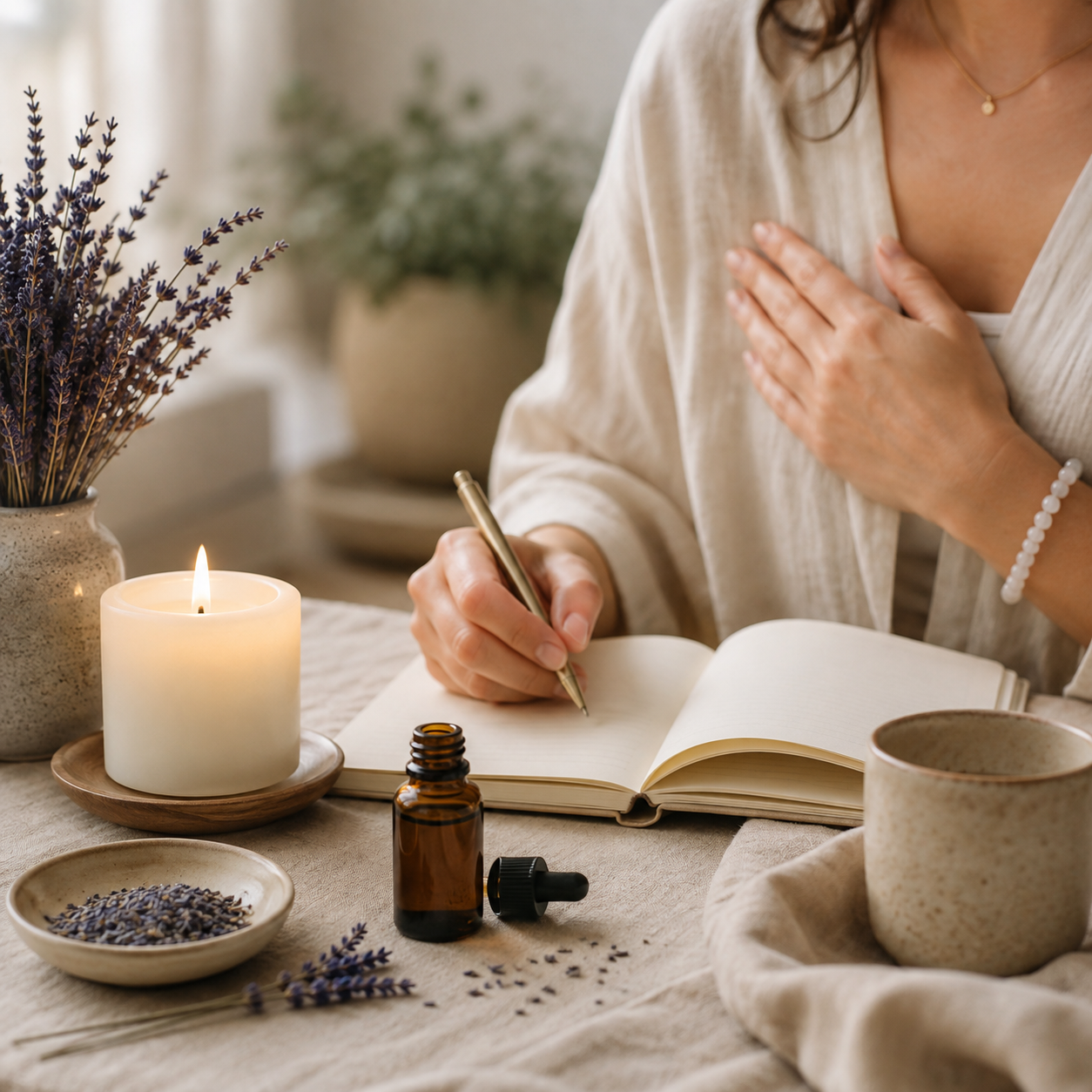
Lavender is one of the most popular essential oils used in aromatherapy.
Its soft floral scent makes it a natural choice for evening rituals, meditation, journaling, and practices centered around relaxation.
You might choose lavender when your manifestation intention involves:
Manifestation ritual idea: Diffuse lavender while writing down three things you are grateful for and one intention for the following day.
Lavender aromatherapy is generally considered possibly safe, although it can cause irritation or allergic reactions in some people. Evidence for specific benefits such as improving sleep or anxiety remains inconclusive.
Frankincense has a long history of use in spiritual and religious traditions.
Its warm, earthy aroma can work particularly well for meditation, reflection, and quiet manifestation practices.
You might associate frankincense with intentions involving:
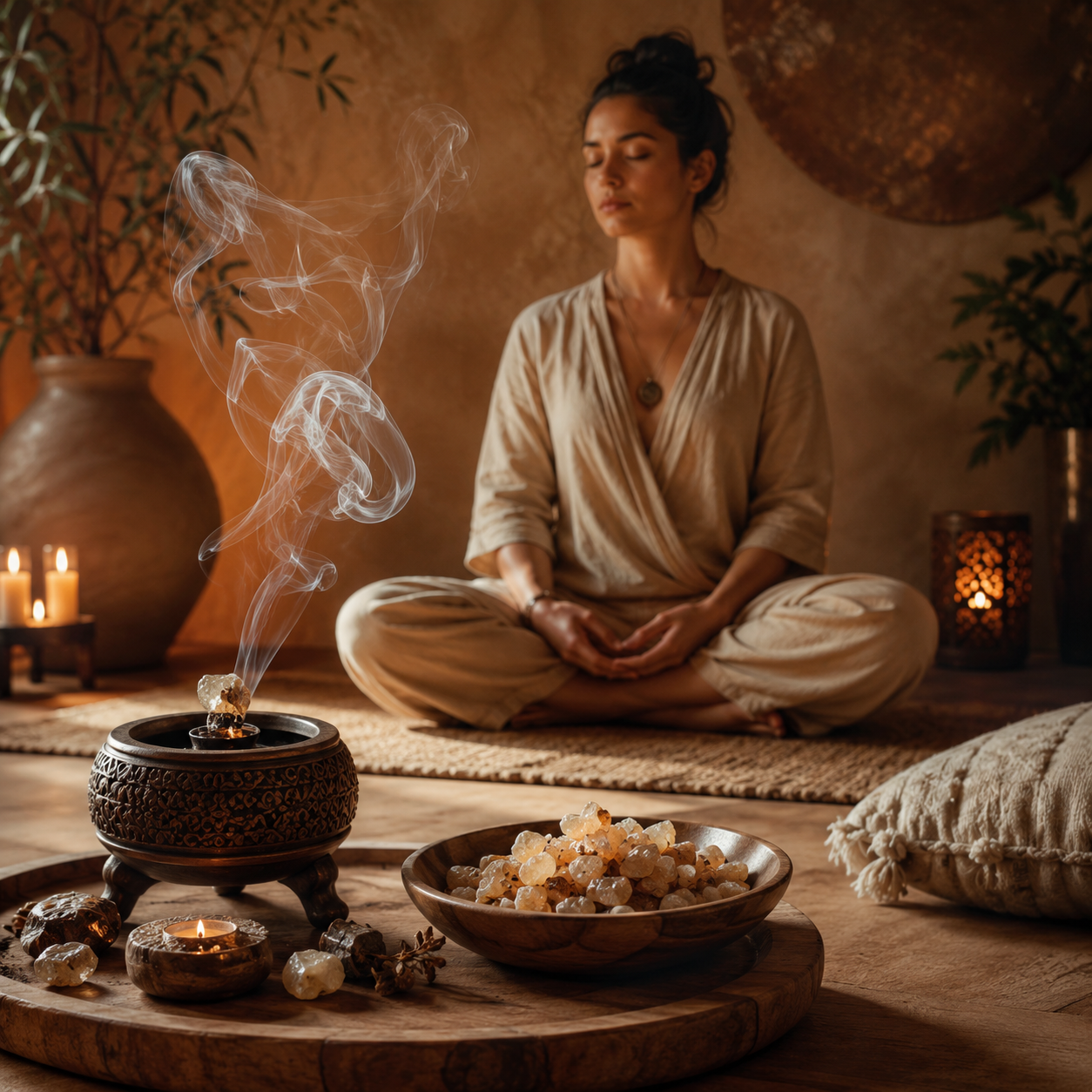
Manifestation ritual idea: Use the aroma while sitting quietly for five minutes and visualizing the kind of person you want to become rather than focusing only on what you want to receive.
Frankincense is also commonly used in aromatherapy, although evidence for many specific health benefits remains limited.
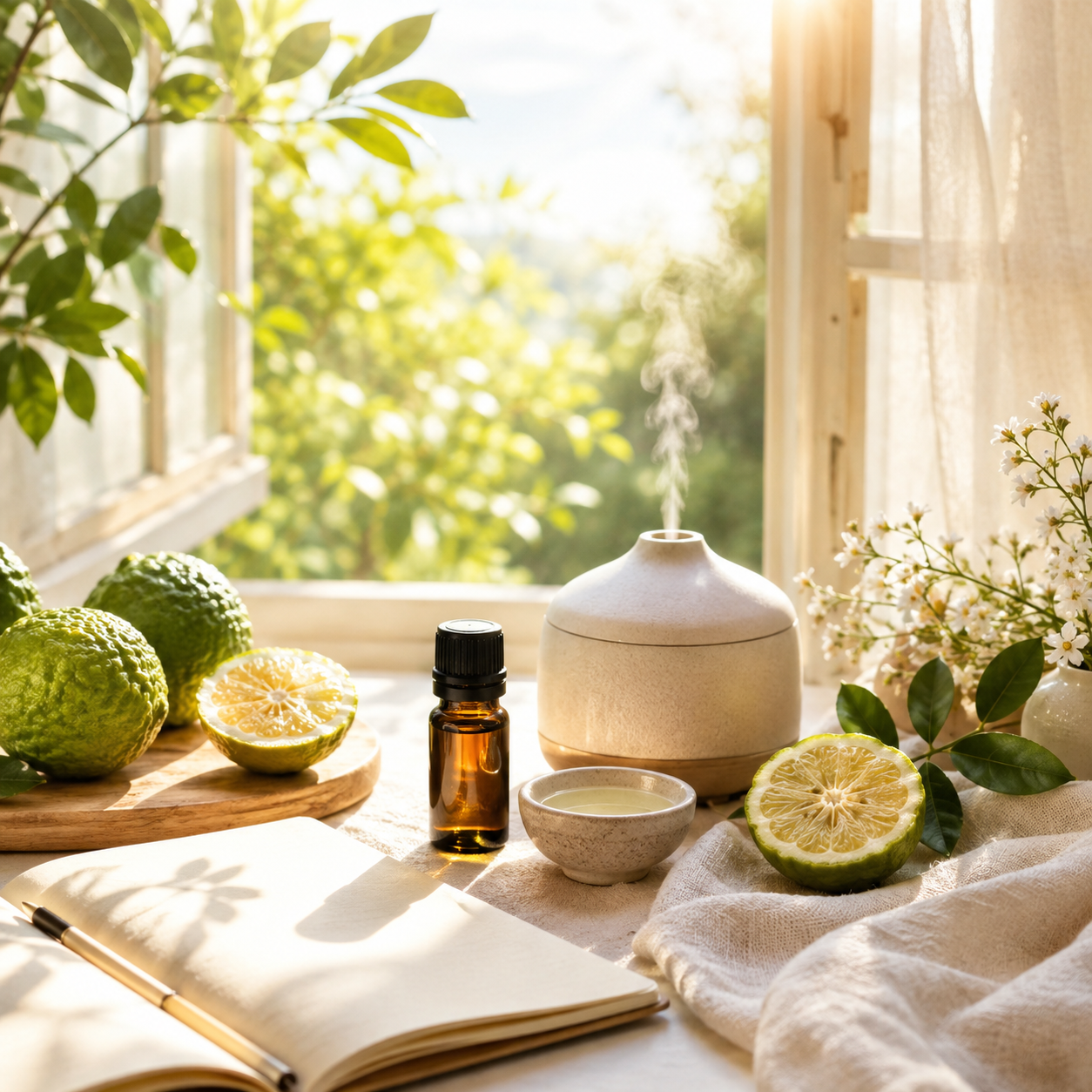
Bergamot has a fresh, citrusy aroma and is commonly used in aromatherapy.
Its bright scent can be a good choice when you want your manifestation ritual to feel uplifting and optimistic.
Consider using bergamot while focusing on:
Manifestation ritual idea: Before starting your visualization practice, take a few slow breaths while focusing on a positive outcome you would like to work toward.
Peppermint has a fresh and stimulating aroma that many people associate with alertness and concentration.
Rather than using it to “manifest success,” you can use peppermint as a sensory cue for taking focused action toward your goals.
It may fit intentions related to:
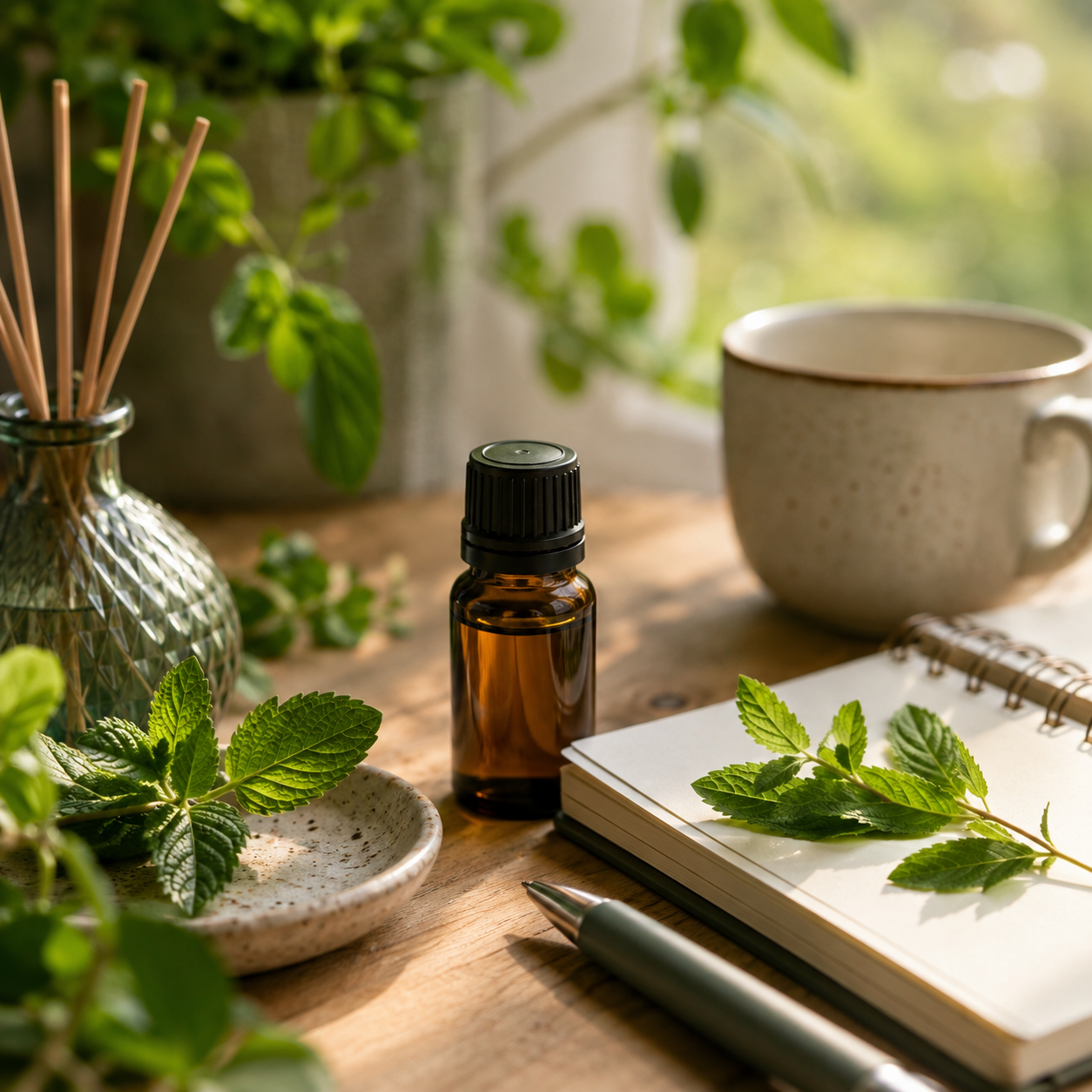
Manifestation ritual idea: Use the scent while writing down one specific action you can take today toward your larger goal.
Peppermint oil has been studied for several uses, but evidence varies considerably depending on how it is used and the purpose. It can also cause skin irritation in some people.
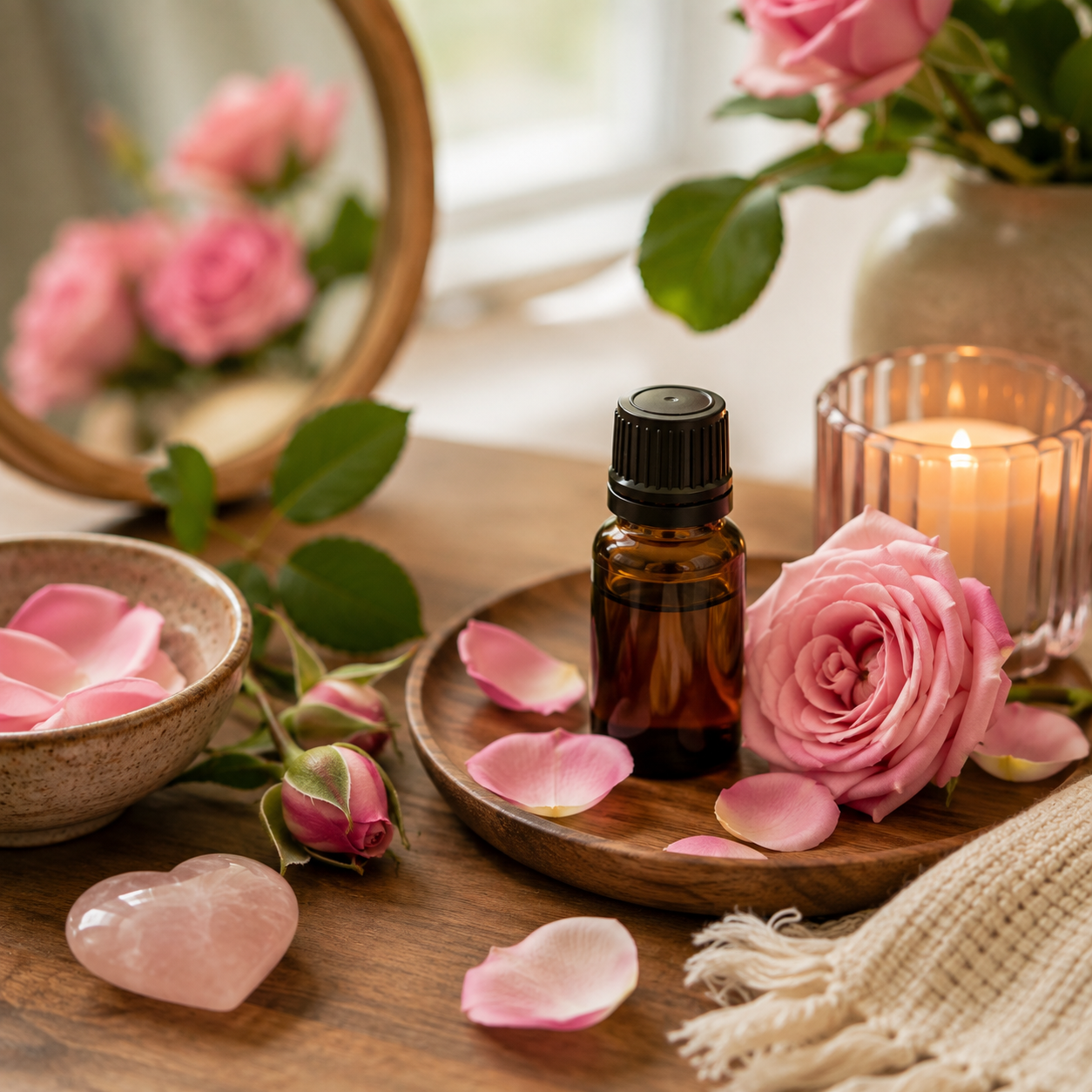
Rose is strongly associated with love, compassion, beauty, and emotional connection.
For manifestation practices, it can be especially meaningful when your intention is focused on self-love rather than simply attracting another person.
You might associate rose with:
Manifestation ritual idea: Apply your attention to three qualities you genuinely appreciate about yourself while repeating a self-love affirmation.
Cedarwood has a warm, woody aroma that can complement grounding practices.
It can be a fitting choice when your manifestation practice is focused on creating a sense of stability and staying connected to the present moment.
Consider using it while reflecting on:
Manifestation ritual idea: Sit comfortably, breathe slowly, and visualize yourself taking consistent steps toward your goal rather than imagining the final result alone.

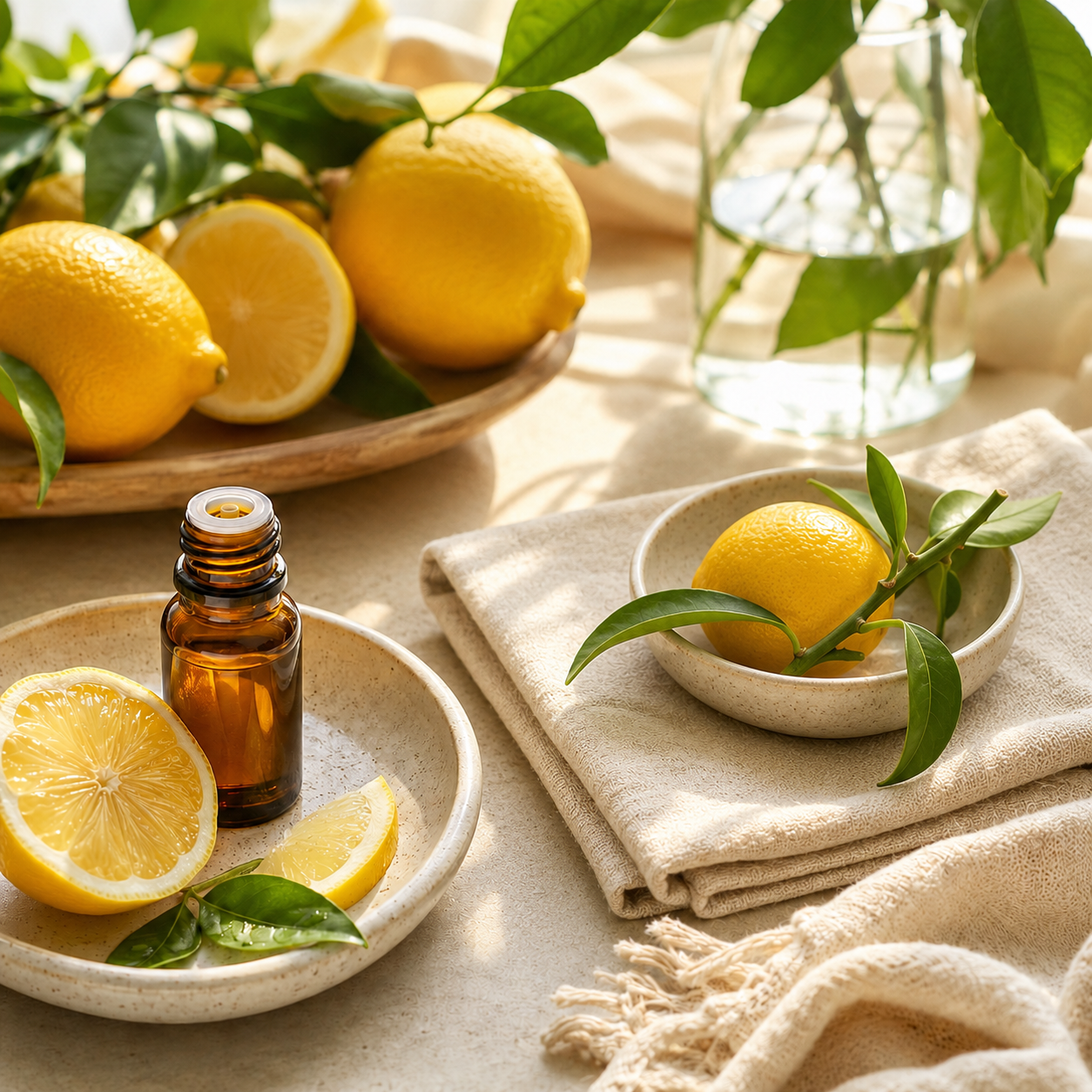
Lemon essential oil has a bright, fresh aroma that can make a space feel clean and energizing.
It can be a nice addition to manifestation rituals focused on:
Manifestation ritual idea: Use the aroma while writing down something you are ready to release and something new you want to make space for.
If using citrus essential oils on the skin, always check the product’s safety instructions because some citrus oils can increase sensitivity to sunlight.
Instead of looking for one “best” manifestation oil, choose your scent according to the intention behind your ritual.
| Manifestation Intention | Essential Oils to Explore |
|---|---|
| Love & Self-Love | Rose, lavender |
| Inner Peace | Lavender, frankincense |
| Confidence | Bergamot, lemon |
| Focus | Peppermint, lemon |
| Grounding | Cedarwood, frankincense |
| New Beginnings | Lemon, bergamot |
| Spiritual Reflection | Frankincense, cedarwood |
These associations are symbolic rather than scientifically proven effects. The most important part of the ritual is the intention you bring to it.
Creating a manifestation ritual does not have to be complicated.
You can create a simple five- to ten-minute practice using an essential oil, a quiet space, and a clear intention.
Step 1: Choose Your Intention
Start with one specific intention.
Instead of saying:
“I want everything to change.”
Try:
“I want to become more confident in my professional decisions.”
A specific intention gives your ritual direction.
Step 2: Choose an Aroma
Select an essential oil whose scent feels connected to your intention.
You don’t have to choose according to a strict spiritual rule. If you personally associate lavender with peace, for example, that association is enough.
Step 3: Create a Calm Environment
Turn off unnecessary notifications, sit somewhere comfortable, and take a few slow breaths.
You can use a diffuser according to its instructions, smell the oil from an appropriate distance, or use another method recommended on the product label.
Step 4: Use an Affirmation
Repeat a short affirmation related to your intention.
For example:
“I trust myself to take aligned action toward my goals.”
or:
“I am creating space for positive opportunities in my life.”
Step 5: Visualize and Take Action
Spend a few minutes imagining what your intention would look like in everyday life.
But don’t stop at visualization.
Ask yourself:
“What is one thing I can do today to move closer to this goal?”
This final step can turn manifestation from a purely mental exercise into an intentional practice connected to real-world action.
If you are new to manifestation rituals, try this simple routine:
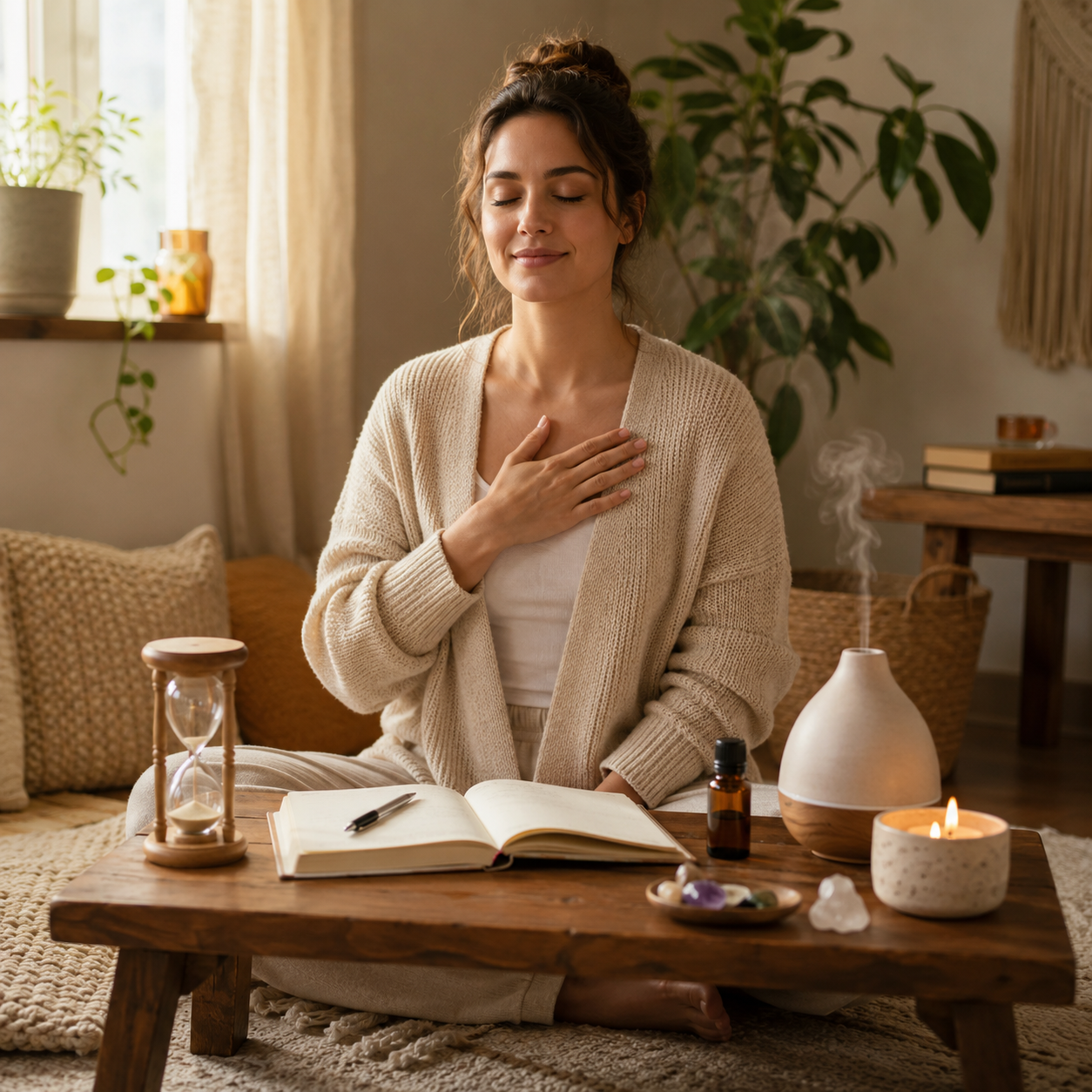
1 minute – Breathe
Take several slow breaths and allow yourself to settle.
1 minute – Set your intention
Clearly state what you want to focus on.
2 minutes – Visualize
Imagine yourself taking steps toward that intention and experiencing the feelings associated with it.
1 minute – Affirm and act
Repeat your affirmation and write down one practical action you can take.
The essential oil simply becomes part of the sensory environment surrounding the ritual.
This is an important part of the conversation.
There is currently no scientific evidence that essential oils can directly cause manifestations or attract specific external events.
Aromatherapy research focuses on other areas, such as relaxation, mood, sleep, or certain symptoms, and the quality and results of studies vary depending on the oil and the method of use.
That does not mean you cannot enjoy essential oils as part of a manifestation practice.
It simply means it is more accurate to think of them as a tool for creating an intentional environment, rather than as a supernatural mechanism that guarantees an outcome.
Your intention, mindset, choices, habits, and actions still matter.
Natural does not automatically mean harmless.
Essential oils are highly concentrated, and improper use can cause skin irritation, allergic reactions, or poisoning if swallowed.
Keep these basic guidelines in mind:
If an essential oil is swallowed accidentally, seek appropriate poison-control or medical advice rather than assuming that a natural product is safe.
Essential oils can add another sensory dimension to your manifestation practice.
The aroma can help you create a familiar environment for meditation, journaling, visualization, gratitude, or affirmations. Over time, a particular scent may become associated with the moment you slow down and reconnect with your intentions.
But you don’t need a magical oil to manifest your dreams.
The real value of the ritual may come from something much simpler: pausing, becoming intentional, clarifying what you want, and deciding what you are willing to do to move toward it.
Choose a scent that resonates with you, create a peaceful ritual, focus on your intention, and then bring that intention into your everyday actions.
That is where manifestation becomes more than a thought, it becomes a practice.
There is no scientifically proven essential oil specifically for manifestation. Lavender, frankincense, bergamot, peppermint, rose, cedarwood, and lemon can be incorporated into rituals according to the atmosphere or intention you want to create.
There is no scientific evidence that essential oils can directly attract money or financial abundance. You can, however, use a pleasant scent as part of a ritual focused on abundance, gratitude, financial goals, and intentional action.
Rose and lavender are popular choices for rituals centered around love and self-love. Their use in manifestation is symbolic and personal rather than scientifically proven to attract a relationship.
Choose an oil that matches the intention of your ritual, create a calm environment, breathe mindfully, repeat an affirmation, visualize your goal, and identify one practical action you can take toward it.
Many essential oils should be diluted before topical use because concentrated oils can cause irritation or allergic reactions. Always follow the product’s instructions and consider doing a small patch test first.
You should not ingest essential oils simply because they are being used for a spiritual or manifestation practice. Some essential oils can be poisonous when swallowed. Use them only according to appropriate product instructions and professional guidance.